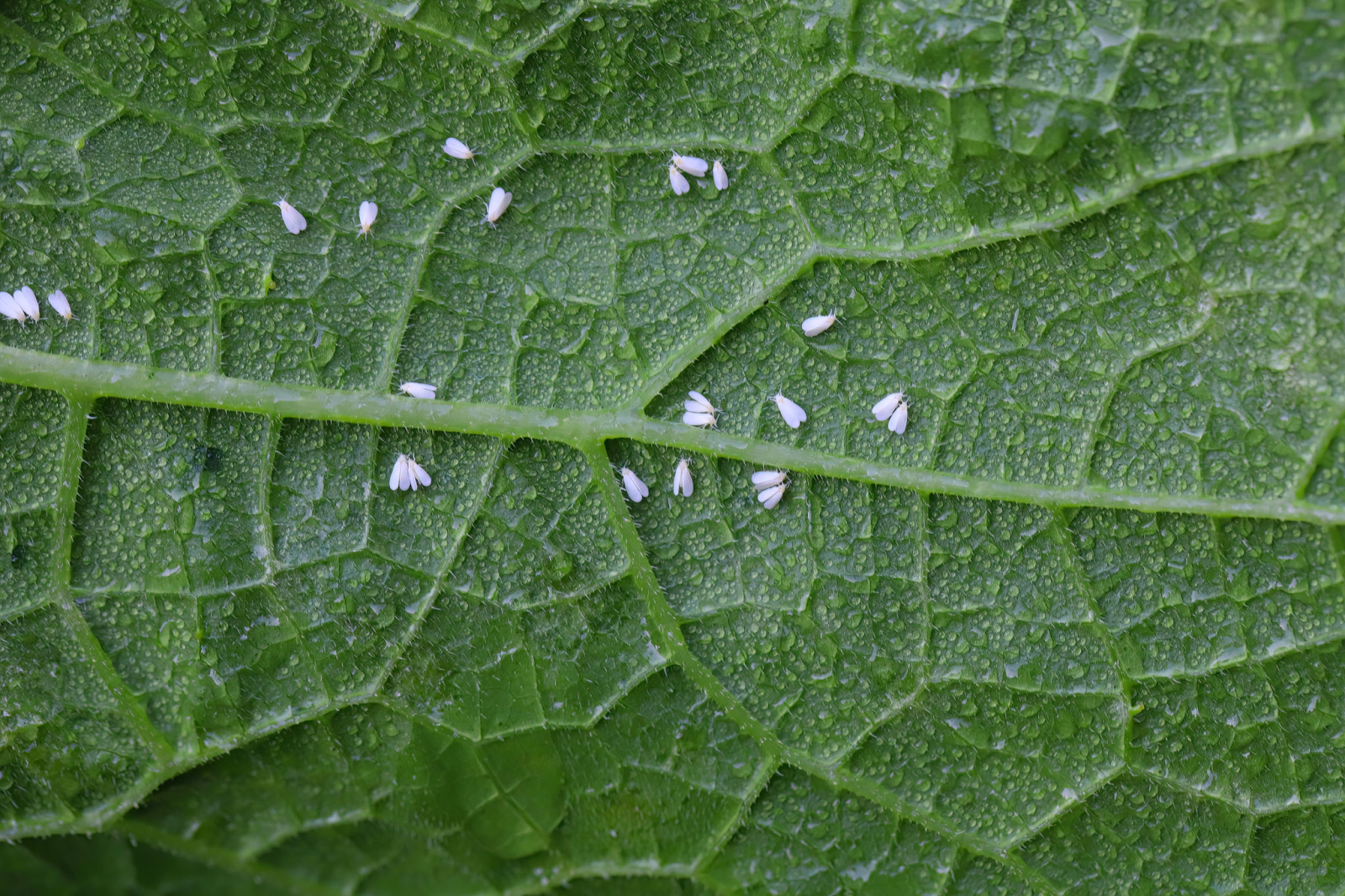
Pumpkin plants are usually fast-growing and vigorous, so it can be worrying when flowers begin to wilt and leaves develop yellow spots. In many cases, this problem is not caused by nutrient deficiency alone but by a viral disease transmitted by whiteflies. These tiny pests act as carriers, spreading the virus from infected plants to healthy pumpkin plants.
Once infected, the virus interferes with normal plant growth, especially flower formation, resulting in weak or aborted flowers and unhealthy leaves.
Step-by-step treatment for infected pumpkin plants
Step 1: Remove severely affected leaves
Trim off leaves that show heavy yellow spotting or severe damage.
✔ Retain at least 70% of the plant’s foliage
✔ This helps reduce virus load and improves airflow
Avoid excessive pruning, as pumpkin plants still need enough leaves for photosynthesis.
Step 2: Control whiteflies and reduce virus spread

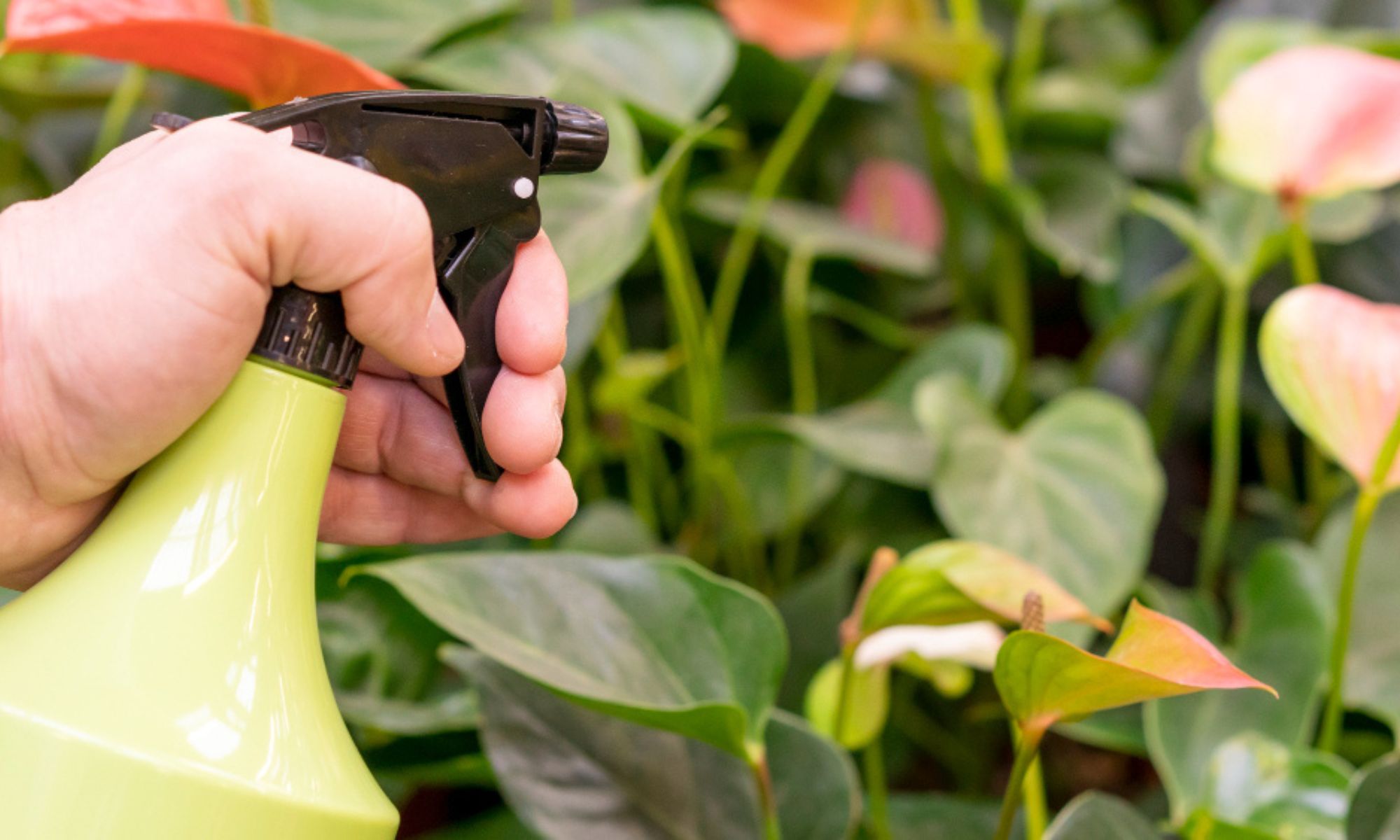
Spray Mr Ganick Scale Terminator to control whiteflies and relieve symptoms caused by pest activity and virus spread.
Important spraying tips:
- Shake the bottle well before use
- Spray the undersides of leaves, where whiteflies usually hide
- Avoid spraying under direct sunlight, especially around noon
- Ensure even coverage on leaves and stems
Spray frequency:
- Preventive care: once a week
- Severe infestation: every 3 days
Step 3: Support recovery with soil nutrition

Apply approximately two handfuls of Baba Compost-based Fertilizer around each pumpkin plant. Compost helps:
- Improve soil health
- Support root recovery
- Strengthen plant resistance
Healthy soil allows the plant to better cope with viral stress.
3 Signs that plant recovery is on track
Although existing damaged leaves may not recover fully, improvement can be seen when:
- New leaves grow without yellow spots
- Flowers remain firm and open normally
- Whitefly populations decrease
Monitoring new growth is the best way to judge whether the virus is under control.
How whiteflies cause problems in pumpkin plants?
Whiteflies feed on plant sap by piercing leaf tissues. While feeding, they can transmit viruses directly into the plant’s system. Over time, the virus affects the plant’s ability to transport nutrients and energy, leading to visible symptoms.
Common signs include:
- Yellow spots or mottling on leaves
- Wilting or premature dropping of flowers
- Stunted plant growth
- Reduced fruit set
Because viruses cannot be cured directly, management focuses on controlling whiteflies, reducing virus spread, and supporting plant recovery.
Act early to restore pumpkin plant health
Wilting pumpkin flowers and yellow spotted leaves are often linked to virus transmission by whiteflies alongside nutrient stress. Removing severely affected leaves, maintaining consistent pest control, and strengthening soil nutrition support plant recovery and sustained growth.
Take early action by improving soil quality and pest management practices with fertilizer for plants and garden accessories to protect pumpkin plants and keep harvests on track throughout the growing season.