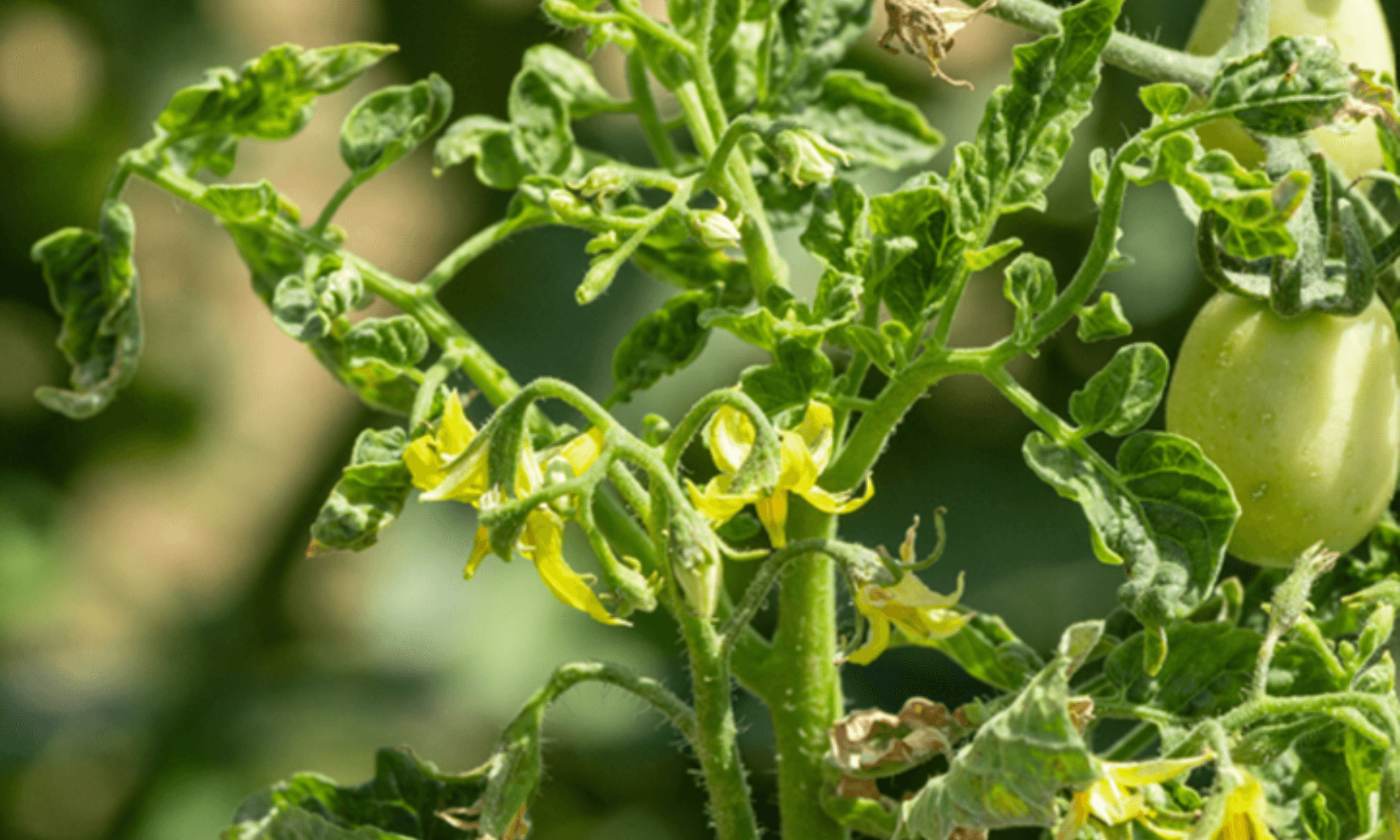
Thrips are tiny pests that can cause significant damage to plants by feeding on leaf tissues and flowers. They are highly mobile insects that can jump or fly between plants, making them particularly difficult to control in gardens where plants are grown close together. In densely planted areas, thrips often hide in protected spots such as flower buds, leaf axils, or the underside of leaves, which makes them harder to detect and eliminate.
Because of their mobility and hiding behavior, controlling thrips in large or crowded planting areas requires a comprehensive management approach, combining physical barriers, monitoring tools, and consistent spraying.
Why thrips are hard to control in dense plantings
When plants are packed closely together, airflow becomes limited and foliage creates many hiding spots. Thrips can easily move from one plant to another without being exposed. They also reproduce quickly, allowing populations to build up rapidly if not controlled early.
Common signs of thrips infestation include:
- Silvery or pale streaks on leaves
- Distorted flowers or buds
- Stunted growth or curling leaves
4 Practical methods to reduce thrips populations
1. Use reflective surfaces to disrupt thrips
Placing reflective materials such as reflective cloth or zinc sheets on or slightly above the soil surface can help deter thrips. The reflected light interferes with their ability to locate host plants, reducing egg-laying and preventing pupae from falling into the soil to continue their life cycle.
2. Install blue sticky traps
Sticky traps are useful for both monitoring and reducing adult thrips populations. Blue sticky traps are particularly effective for attracting them.
Position the traps at least one foot above the plant canopy. Ideally, place one trap for every 10 × 10 feet area. In a medium-sized garden area, approximately four to six traps should be installed. Replace the traps monthly or when they become full.
3. Improve airflow through pruning
Dense foliage creates perfect hiding spots for thrips. Light pruning can improve airflow and make it easier for sprays to reach all parts of the plant. Removing overcrowded branches also reduces humidity levels that favor pest development.
4. Regular spraying for population control
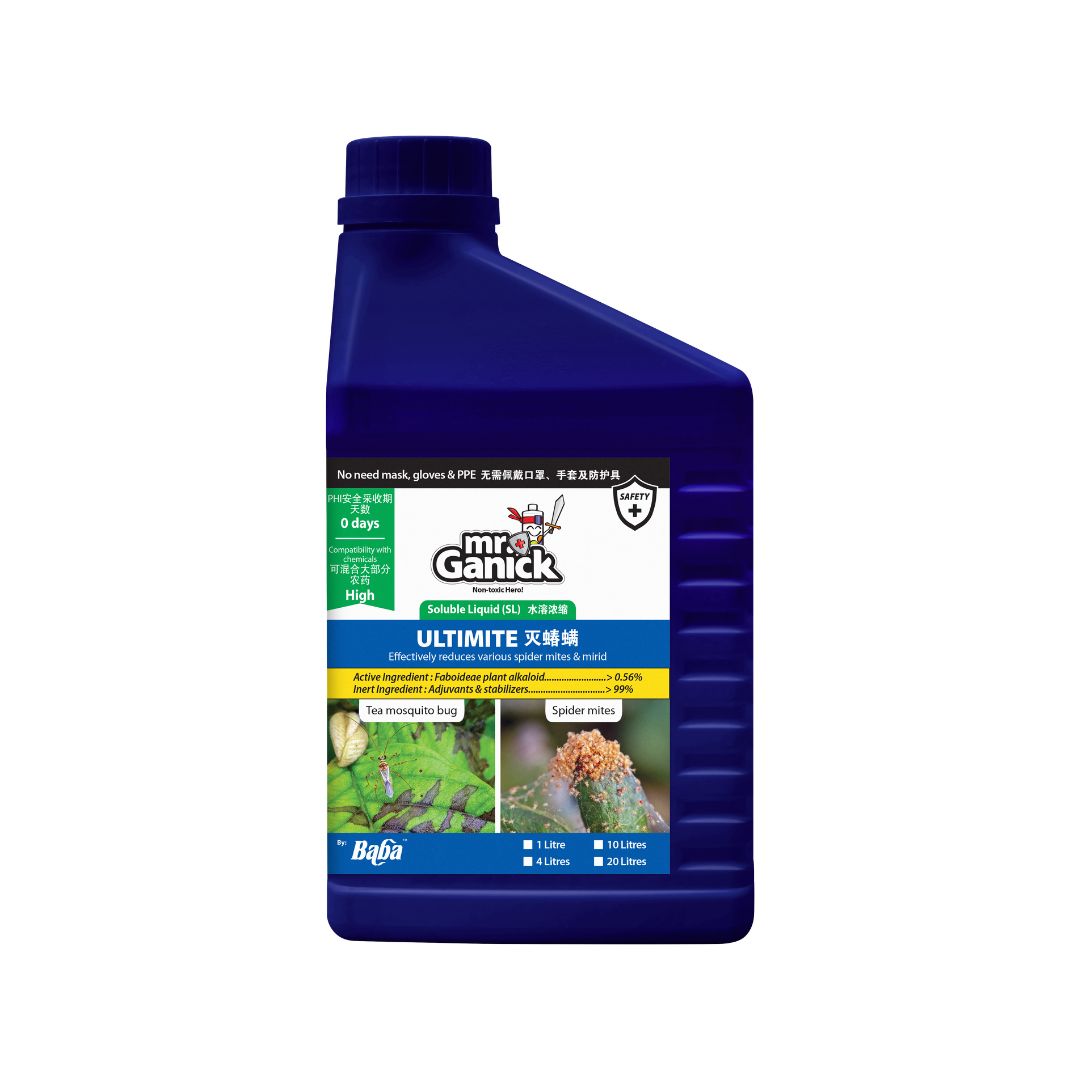
For consistent pest management, spray Mr Ganick Ultimite Concentrate diluted at 10 ml per 5 L of water. Spray thoroughly over the entire garden area.
During the initial treatment period, apply the spray twice a week with a 3–4 day interval for four consecutive weeks. Once the thrips population declines, reduce spraying to once a week for maintenance.
Spraying is most effective near dusk (after about 5 pm), when thrips are more active and exposed.
Take control of thrips before they damage more plants
Keeping thrips under control in densely planted gardens takes consistency, the right care routine, and products that work together to protect plant health.
A good approach starts with better airflow, reflective barriers, sticky traps, and regular organic spraying to reduce pest pressure before it spreads further.
To strengthen your results, pair these steps with Baba’s gardening solutions, including Baba Mr Ganick Ultimite, to support healthier plant growth and improve your garden’s ability to bounce back from thrips damage. Explore Baba’s organic pesticide for plants and garden accessories today and give your garden the support it needs for stronger pest control and healthier harvests.