Seeing crinkled and deformed leaves on your chili plants is a common yet serious issue for home gardeners and farmers alike. In most cases, these symptoms are a clear indicator of a viral infection, often transmitted by sucking pests like thrips or whiteflies. Viral infections are notoriously difficult to manage and are sometimes considered a “terminal disease” for chilies because there is no direct chemical cure.
The survival of your plant depends largely on its natural resistance. A robust plant can often suppress the virus enough to continue producing fruit, while a weaker plant will succumb quickly, leading to stunted growth and crop failure. To save your harvest, you must act decisively to boost the plant’s immunity and curb the viral spread.
Step by step on how to treat crinkled chili plant leaves
Step 1: Tactical pruning of infected foliage
Pruning is the first line of defense. By removing the most heavily infected parts, you reduce the “viral load” the plant has to fight.
The safety limits of pruning
Start by removing the diseased and deformed leaves. However, you must be careful not to over-stress the plant; limit pruning to no more than half of the total foliage at one time. Focus on removing older, severely infected leaves first. This helps minimize the spread of the virus while ensuring enough healthy green tissue remains for the photosynthesis required for recovery.
Step 2: High-potency organic spray and fertilization
Since the virus cannot be “killed,” the goal is to inhibit its replication and boost the plant’s growth speed so it can outgrow the infection.
The virus-inhibiting mixture formula
Prepare a powerful mixed solution using the following ratio per 20L of water:
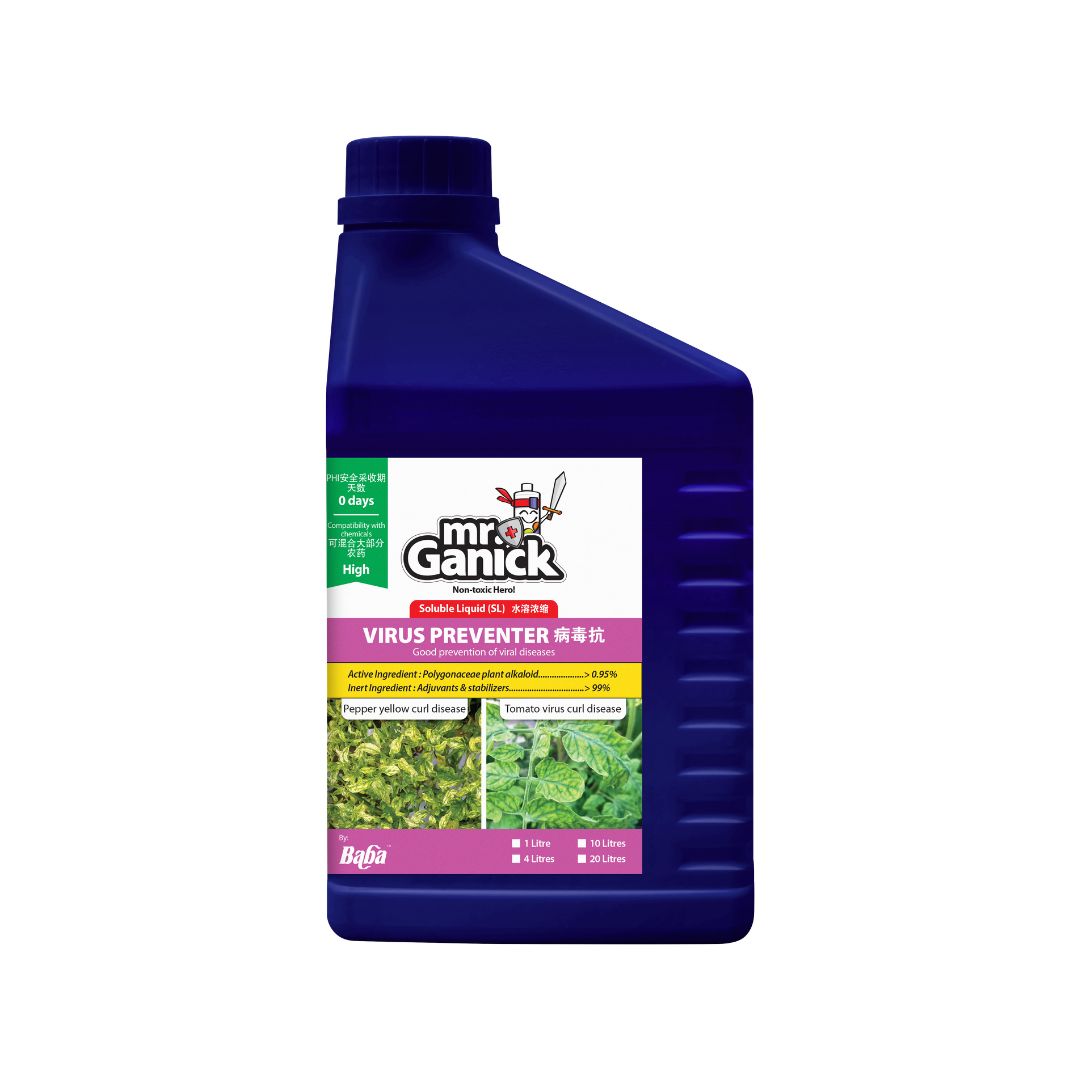
- Mr Ganick Virus Preventer Concentrate: 50ml
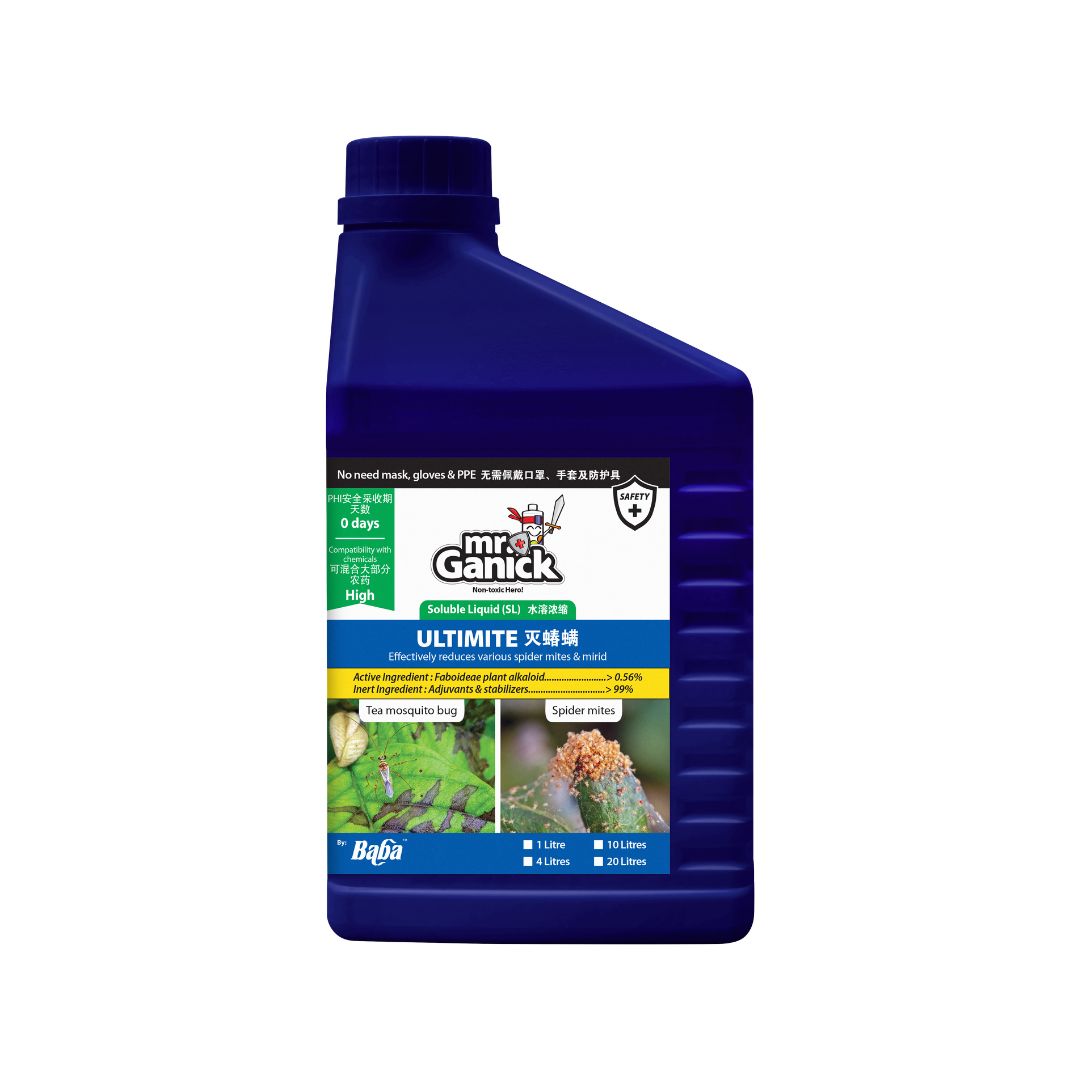
- Mr Ganick Ultimite Concentrate: 40ml (to control the pest vectors)
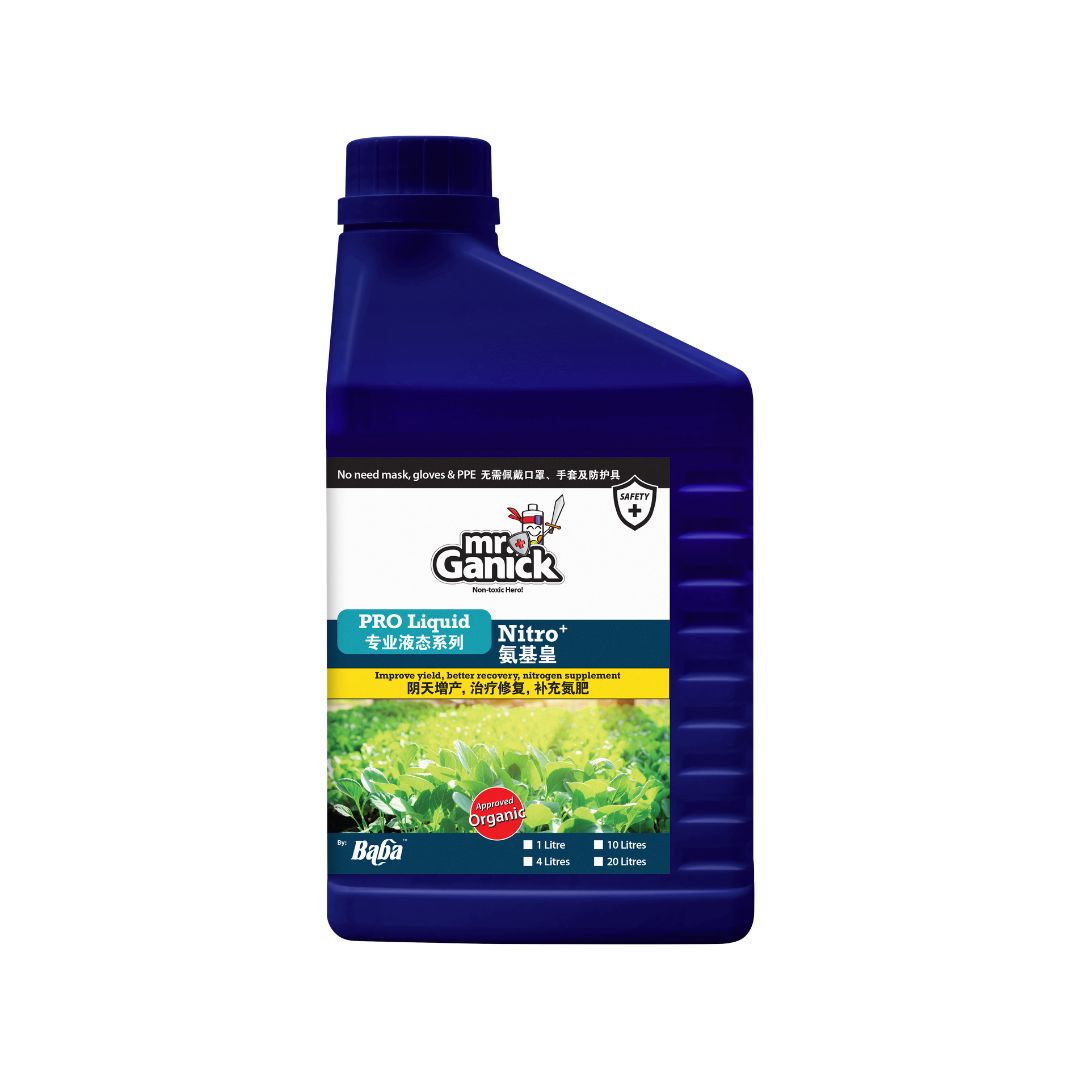
- Mr Ganick Organic Nitro+: 40ml (for rapid tissue repair)
- Chitosan (optional): To further trigger the plant’s immune response.
Spray this solution thoroughly on the leaves and stems. Additionally, apply fertilizer to the roots to provide the nutrients necessary to encourage new, healthy growth.
Step 3: Monitor and the “three-week rule”
Recovery from viral deformation is not instant. It requires a consistent three-week commitment to see results.
Evaluating new leaf growth
Follow the spraying and fertilizing regimen once a week for three consecutive weeks. Monitor the new buds closely: if the emerging leaves are smooth and healthy without crinkling, the virus is under control. If, after three treatments, the new growth remains deformed and the plant continues to deteriorate, the virus is likely uncontrollable. At this point, it is best to remove the infected plant entirely to prevent it from infecting the rest of your garden.
Help your chilli plants grow back stronger
Crinkled chilli leaves are a sign that the plant needs quick attention, especially when the shape of new leaves starts to change.
Regular sanitation, proper feeding, and the Mr Ganick three week routine can help the plant push out cleaner, healthier growth while reducing further stress.
Explore Baba’s garden accessories for plant care and organic fertilizer range to support better chilli growth and protect your harvest season.