Plump white larvae found in garden soil are usually grubs—the immature stage of scarab beetles or chafer beetles. While a few grubs are generally harmless, large populations can feed on plant roots.
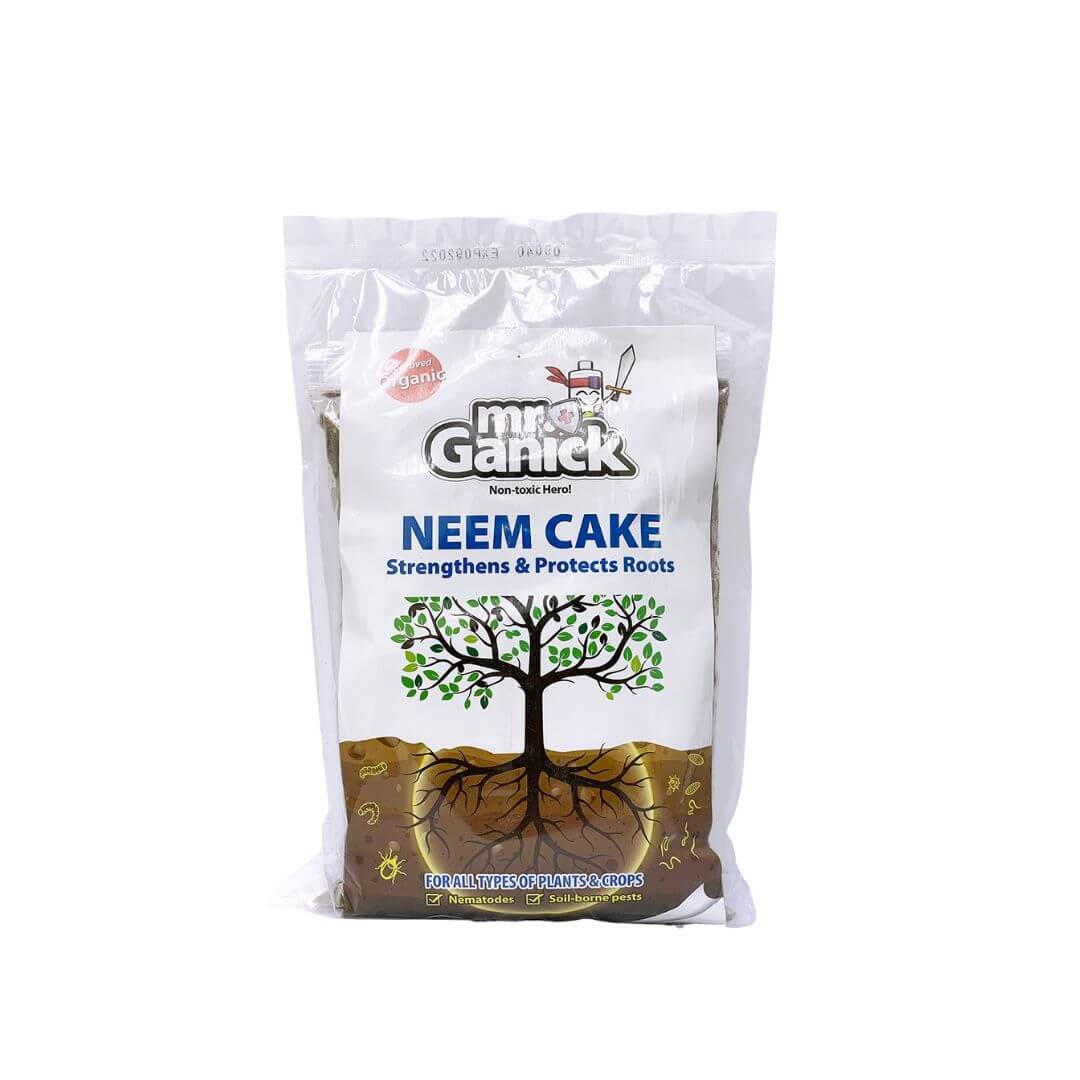
Mixing Mr Ganick Neem Cake into the soil for plants is an effective way to discourage grubs and reduce future beetle infestations naturally.
Many gardeners become concerned when they discover these C-shaped white larvae while repotting plants or digging in the garden. Fortunately, finding a few grubs does not always mean your plants are in danger.
What are white grubs?
White grubs are the larval stage of beetles, including scarab beetles and chafer beetles. Adult beetles lay their eggs in moist soil that contains plenty of organic matter. After hatching, the larvae live underground and feed as they grow.
They are commonly found in:
- Compost-rich garden beds
- Moist potting soil
- Areas with fallen leaves or organic debris
- Soil during the rainy season
In small numbers, grubs mainly feed on decomposing organic matter, helping break down natural materials in the soil.
Are white grubs harmful to plants?
A small grub population is usually not a serious problem. However, when their numbers become too high or when there is not enough decomposing organic matter available, grubs may begin feeding on living plant roots.
Signs of grub damage include:
- Wilting despite adequate watering
- Yellowing leaves
- Poor plant growth
- Weak or damaged root systems
If these symptoms occur together with many grubs in the soil, root feeding is likely taking place.
How to control white grubs naturally
The first step is to reduce beetle egg-laying opportunities.
- Keep the soil surface relatively dry whenever possible, or cover it with approximately 2 cm of sand or gravel. This makes the soil less attractive to adult beetles looking for places to lay eggs.
- Regularly inspect the soil by gently digging around the root zone. If you find only a few grubs, simply remove them by hand.
- For pots containing large numbers of grubs, replacing the potting mix is often the quickest and most effective solution.
- To reduce future infestations, mix Mr Ganick Neem Cake into the soil before planting. Neem Cake naturally discourages beetles from laying eggs and creates an unfavorable environment for soil-dwelling pests.
- If grubs are already present, incorporating Mr Ganick Neem Cake into the soil can help reduce their feeding activity by disrupting their digestion, making them less likely to damage plant roots.
How to prevent future grub problems
Healthy soil management is the best long-term prevention strategy.
Maintain good drainage, avoid excessive moisture, remove unnecessary organic debris, and inspect the soil regularly during the rainy season. These simple practices help keep grub populations under control while supporting healthy root development.
White grubs are beetle larvae that naturally occur in organic-rich soil. Although a few are harmless, excessive populations can damage plant roots. Regular monitoring, proper soil management, and using Mr Ganick Neem Cake can effectively reduce grub activity and protect your plants naturally.
Protect plant roots before grub numbers grow
A few white grubs may be harmless, but larger populations can weaken roots and affect plant growth.
Keep the soil well-drained, remove excess organic debris, and inspect the root zone regularly.
Mix Mr Ganick Neem Cake into the soil to help discourage beetles and reduce grub activity naturally.
Take action early with Baba’s gardening accessories to protect healthier roots and keep your plants growing strong.