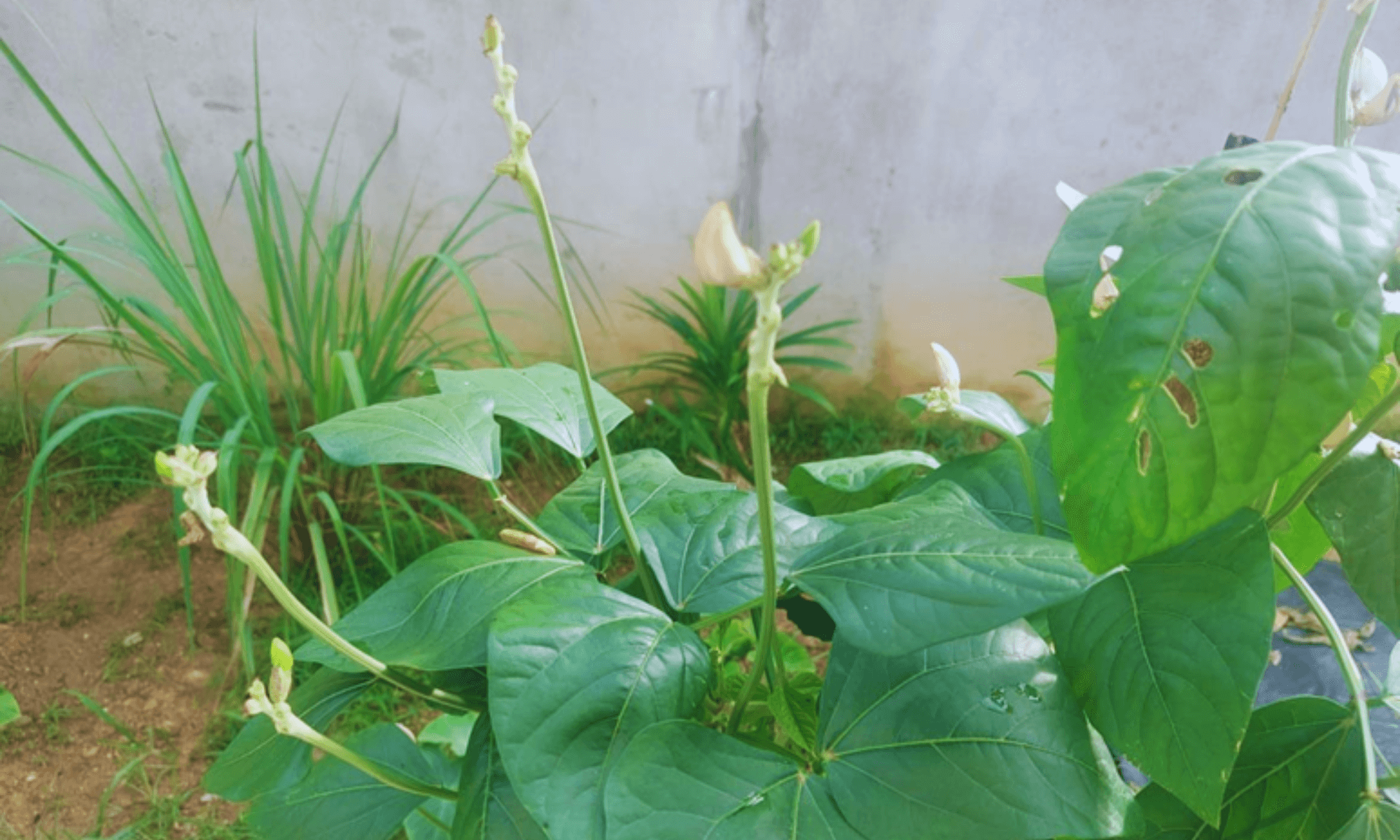
Yellowing leaves with brown or black spots are a common problem faced by many gardeners. To stop the spread early and protect your foliage, applying Mr Ganick Organic Plant Acid at the first sign of spotting can help suppress fungal growth and strengthen the plant’s natural defenses. At first, the leaves may only show small dots, but over time the spots enlarge, turn darker, and spread.
In most cases, this issue is caused by a fungal infection, not just a nutrient deficiency. To aid recovery and build long-term resistance, incorporating a nutrient-rich base like Baba Compost-based Fertilizer ensures your soil has the beneficial microbes needed to fight off pathogens. Understanding why the fungus appears and how to control it early can prevent the disease from spreading to the rest of the plant


What causes yellow leaves with brown or black spots?
Fungal diseases thrive in moist, poorly ventilated environments. Common triggers include:
- Leaves growing too densely, blocking airflow
- High humidity or frequent rainfall
- Overwatering or soil that stays wet for long periods
- Poor drainage around the root zone
When moisture remains on leaf surfaces and air circulation is weak, fungi multiply rapidly, leading to yellowing leaves and dark spots.
Step-by-step on how to treat yellow leaves with brown or black spots
Step 1: Prune infected leaves and branches
The first and most important step is removing infected plant parts. Trim off all leaves and branches showing fungal symptoms. However, avoid excessive pruning.
Pruning guidelines:
- Retain at least 70% of healthy foliage
- Remove only affected areas
- Always sterilize scissors or pruning tools before and after use
Sterilizing tools helps prevent the fungus from spreading to healthy parts of the plant or other plants nearby.
Step 2: Treat the plant after pruning
After pruning, spray Mr Ganick Organic Plant Acid thoroughly on the leaves and tree canopy. This helps suppress fungal growth and supports plant recovery.
Make sure to spray:
- Both upper and lower leaf surfaces
- Branches and canopy areas
This step is crucial to prevent fungal spores from regrowing.
Step 3: Improve soil health with compost
Compost helps improve soil health and a healthy soil helps plants recover faster and resist disease. Apply Baba Compost-based Fertilizer around the tree canopy, about 2 handfuls, once every two weeks, for at least two consecutive applications.
Step 4: Support recovery with proper fertilization

Once the plant begins to stabilize, regularly supplement with Mr Ganick 549 Organic Flower Bloom & Stem Fertilizer. Apply once every two weeks, using 2 handfuls, to strengthen stems and support balanced growth.
Balanced nutrition helps the plant rebuild after disease stress without encouraging overly soft, fungus-prone growth.
Watering tips to prevent fungal issue
Proper watering is key to keeping your plants healthy and free from fungal infections. Follow these tips to ensure you’re watering your plants correctly and preventing excess moisture buildup:
1. Water only when necessary
Check the top layer of soil. Only water when it feels dry to the touch. Overwatering can lead to excess moisture, promoting fungal growth.
2. Avoid consistently wet soil
Do not keep the soil constantly moist. Allow it to dry out between waterings to discourage the growth of fungi.
3. Water at the base of the plant
To keep the leaves dry, water directly at the base of the plant. Wet foliage can create the perfect conditions for fungal infections.
4. Ensure proper drainage
Make sure your pots have drainage holes to allow excess water to escape, preventing waterlogging that can lead to fungal issues.
Don’t let yellow leaves ruin your plants! Here’s how to fix it
Yellow leaves with brown or black spots often indicate fungal infections caused by poor airflow and excessive moisture. But don’t worry, your plants can bounce back!
With the right pruning, targeted treatments, improved soil health, and proper watering, your plants can recover and thrive.
Get high-quality potting soil from trusted gardening supplier Baba today and help your plants grow stronger and healthier.