It can be alarming to see plant leaves develop brown, dry, or burnt edges shortly after fertilizing. Many gardeners assume this is a disease or pest problem, but in most cases, it is caused by fertilizer burn. This happens when fertilizer concentration is too high or applied too close to plant roots, damaging root tissues and disrupting water absorption.
Fortunately, fertilizer burn can often be corrected if addressed early.
Step-by-step remedy for fertilizer burn
Step 1: Remove excess fertilizer
Carefully remove any remaining black granular fertilizer from the soil surface. Also remove soil clumps that have direct contact with the fertilizer as much as possible. This helps stop further salt buildup around the roots.
Step 2: Flush the soil with water
Water the plant thoroughly once a day for three consecutive days. Deep watering helps dilute excess fertilizer salts and flush them away from the root zone. Ensure good drainage so water does not pool around the roots.
Step 3: Prune burnt leaves
Trim off leaves with severe burnt or brown edges.
✔ Retain at least 70% of the plant’s healthy foliage
✔ Avoid over-pruning, as leaves are still needed for photosynthesis
Removing damaged leaves helps the plant focus energy on new growth.
Supporting recovery after fertilizer burn
Step 4: Restore soil health with compost

After one week, apply Baba Compost-based Fertilizer at a rate of:
- One handful or 2 tablespoons per plant
- Apply once a week
Compost improves soil structure, supports root repair, and provides gentle, slow-release nutrients without causing further stress.
Step 5: Strengthen plants with foliar support

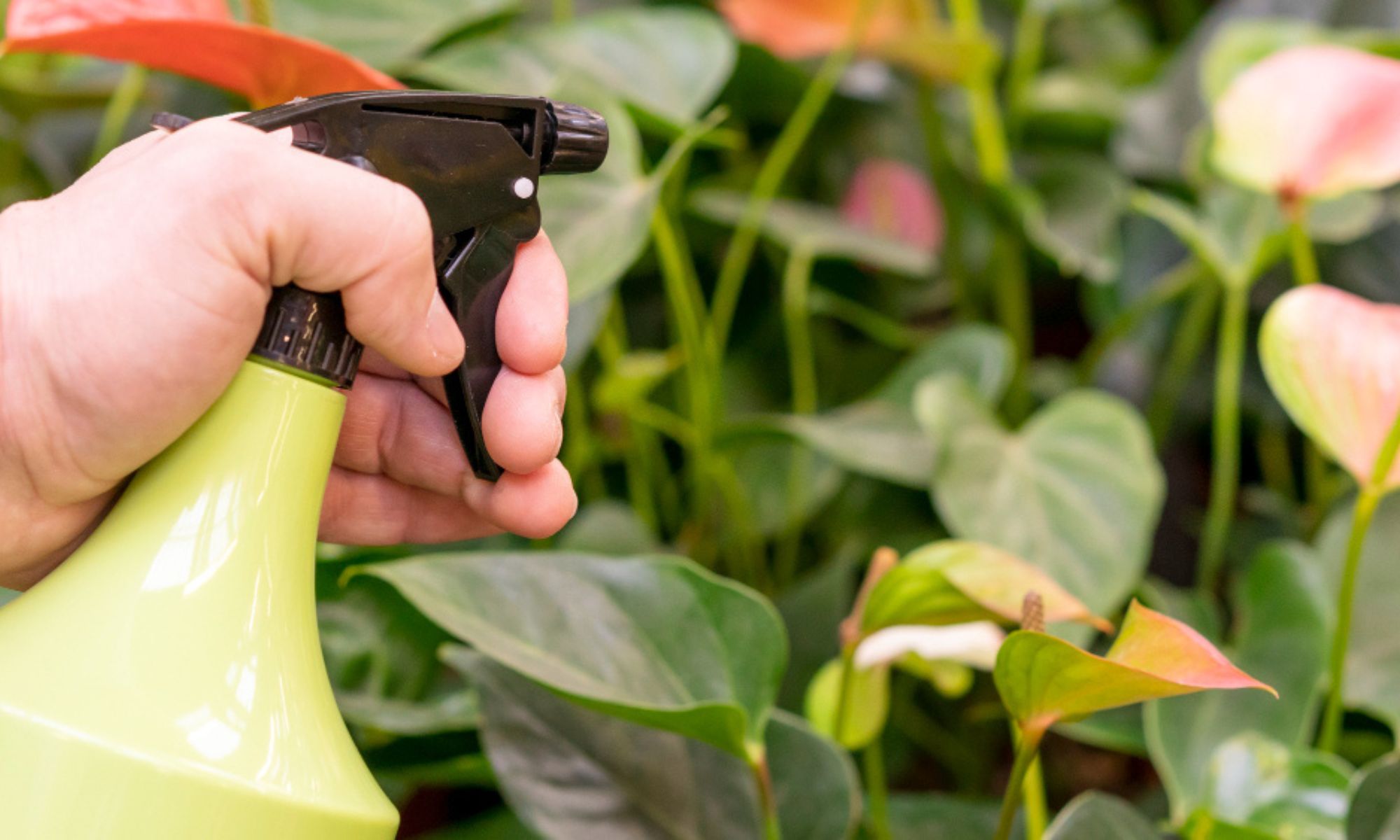
You may spray Mr Ganick Organic Plant Acid on the leaves and tree canopy to support recovery and improve plant resistance.
Application guidelines:
- Shake the bottle well before use
- Apply in the morning. Avoid spraying under direct sunlight
- Spray on both leaves and canopy
Frequency:
- Preventive or mild cases: once a week
- Severe cases: every three days
What is fertilizer burn and why does it happen?
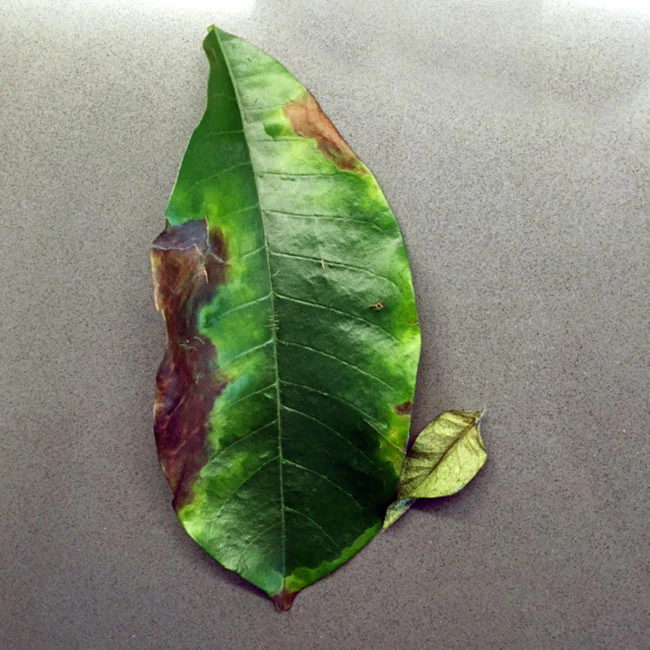
Fertilizer burn occurs when excess salts from fertilizers build up in the soil. These salts draw moisture away from plant roots instead of supplying nutrients, causing dehydration and tissue damage.
Common causes include:
- Over-application of fertilizer
- Uneven fertilizer distribution
- Fertilizer placed too close to the trunk or roots
- Applying fertilizer to dry soil without watering
The earliest visible symptoms usually appear on leaf edges, which turn brown, dry, or scorched.
How to prevent fertilizer burn in the future?
To avoid fertilizer burn:
- Always follow recommended application rates
- Do not apply fertilizer directly against the trunk
- Water soil before and after fertilizing
Use compost to improve nutrient balance.
Minimise fertiliser stress before plant damage spreads
Burnt or brown leaf edges after fertilising often indicate fertiliser burn caused by excess salts in the soil. Removing excess fertiliser promptly, flushing the soil with proper watering, and supporting gentle soil recovery help plants return to healthy growth.
Act early by adjusting feeding practices of organic fertilizer and improving potting soil conditions with gardening accessories to prevent recurring stress and keep plants growing strong.