

Cutting open a fruit only to find that the flesh has turned black or developed a condition known as blackheart can be frustrating for growers. Externally, the fruit may appear normal, but internally it shows darkened or blackened tissue, often accompanied by poor texture or unpleasant taste.
In most cases, blackheart is not caused by pests or diseases but by a nutritional imbalance combined with inadequate water supply, which disrupts proper fruit development and ripening.
How to reduce and prevent blackheart in fruits?
Step 1: Improve soil nutrition with compost
Start by improving overall soil health. Apply Baba Compost-based Fertilizer applying approximately 10kg per tree or per 100 square feet.
Apply once a month for two consecutive months. Compost helps improve soil structure, enhances nutrient availability, and supports balanced root absorption.
Step 2: Support fruit development with targeted fertilizer
In the third month, supplement with a fertilizer high in phosphorus and potassium, such as Mr Ganick 258 Organic Fruit Tree Fertilizer.
Phosphorus supports energy transfer and fruit formation, while potassium improves fruit quality, ripening, and internal structure. Together, they help reduce internal browning and blackheart issues.
Step 3: Maintain consistent and adequate watering
Water management is critical. Ensure:
- Soil remains evenly moist, not dry or waterlogged
- Extra watering during dry or hot periods
- Deep watering to support root-level nutrient uptake
Consistent watering allows nutrients like boron, phosphorus, and potassium to be absorbed and transported effectively within the plant.
When will improvement be visible?
Blackheart cannot be reversed in fruits that have already formed. However, with proper nutrition and watering:
- New fruits should develop normally
- Internal browning should gradually reduce in subsequent harvests
Monitoring future fruit quality is the best indicator that the issue is under control.
What causes black or blackened fruit flesh?
1. Boron deficiency
Boron is a trace mineral required for proper cell division, sugar movement, and fruit development. When boron levels are insufficient:
- Fruit tissues fail to develop evenly
- Internal breakdown occurs
- Black or darkened flesh forms inside the fruit
This issue is especially common in fruit trees grown in nutrient-poor or heavily leached soils.
2. Insufficient water supply
Even when nutrients are present in the soil, lack of consistent watering prevents plants from absorbing them effectively. Water stress during fruit formation can:
- Reduce nutrient uptake
- Interrupt fruit ripening
- Increase the risk of blackheart
Dry conditions often worsen existing nutrient deficiencies, making symptoms more severe.
Improve fruit quality from the roots up
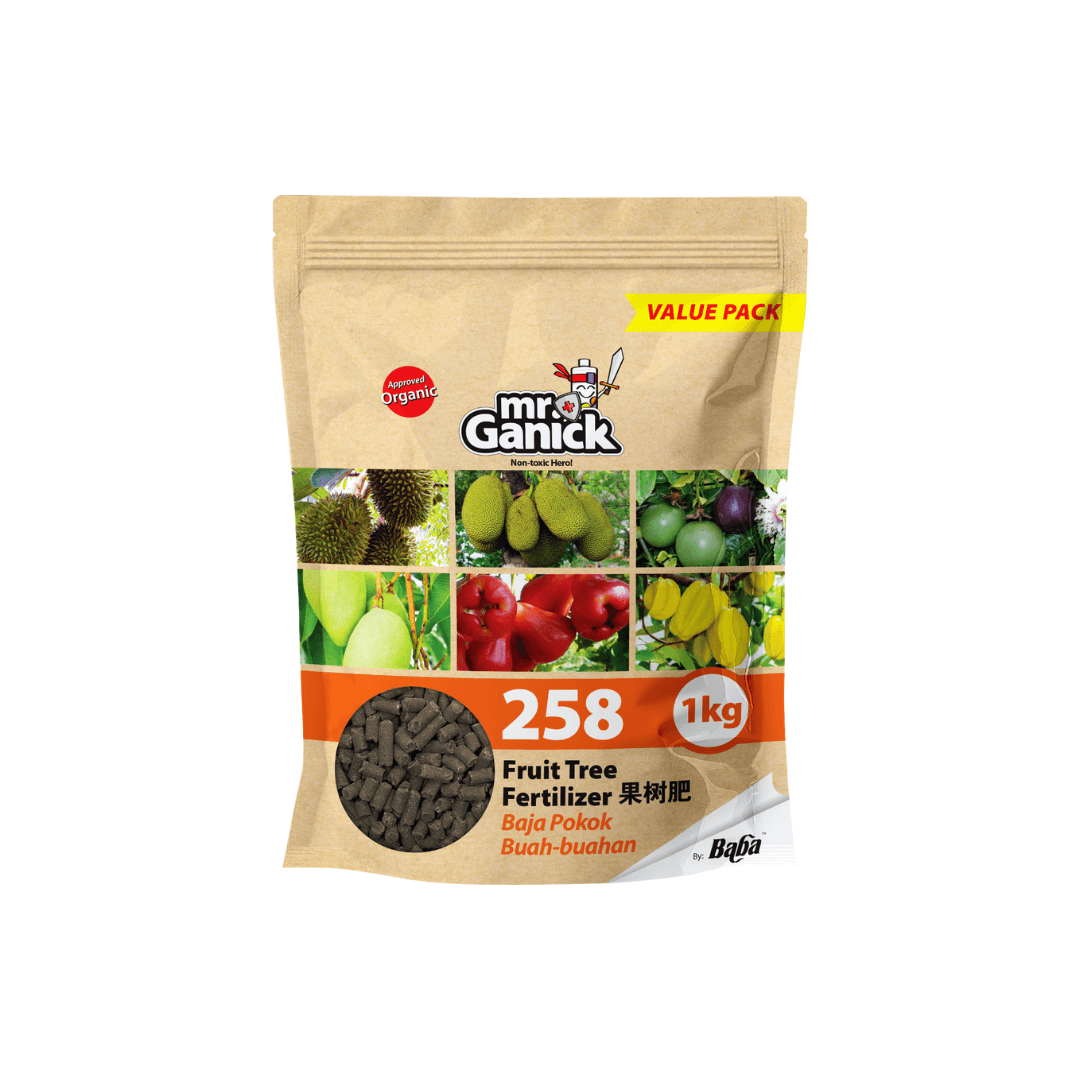

Black or blackened fruit flesh is usually a sign of nutrient deficiency combined with water stress, rather than disease. By improving soil health, providing targeted fertilization, and maintaining consistent watering, growers can significantly reduce blackheart and improve overall fruit quality.
Start with the organic soil and nutrients of plant food for support today from a range of Baba’s garden accessories to protect fruit quality and achieve healthier, more reliable harvests season after season.


