During the growth of fruit trees, beginners may sometimes notice cracks forming on the trunk or stems. This can be worrying, especially if you are unsure whether your tree is unhealthy. The good news is that trunk cracking is often not a serious problem and can be managed easily once you understand the causes.
How to Help a Cracked Tree Recover?
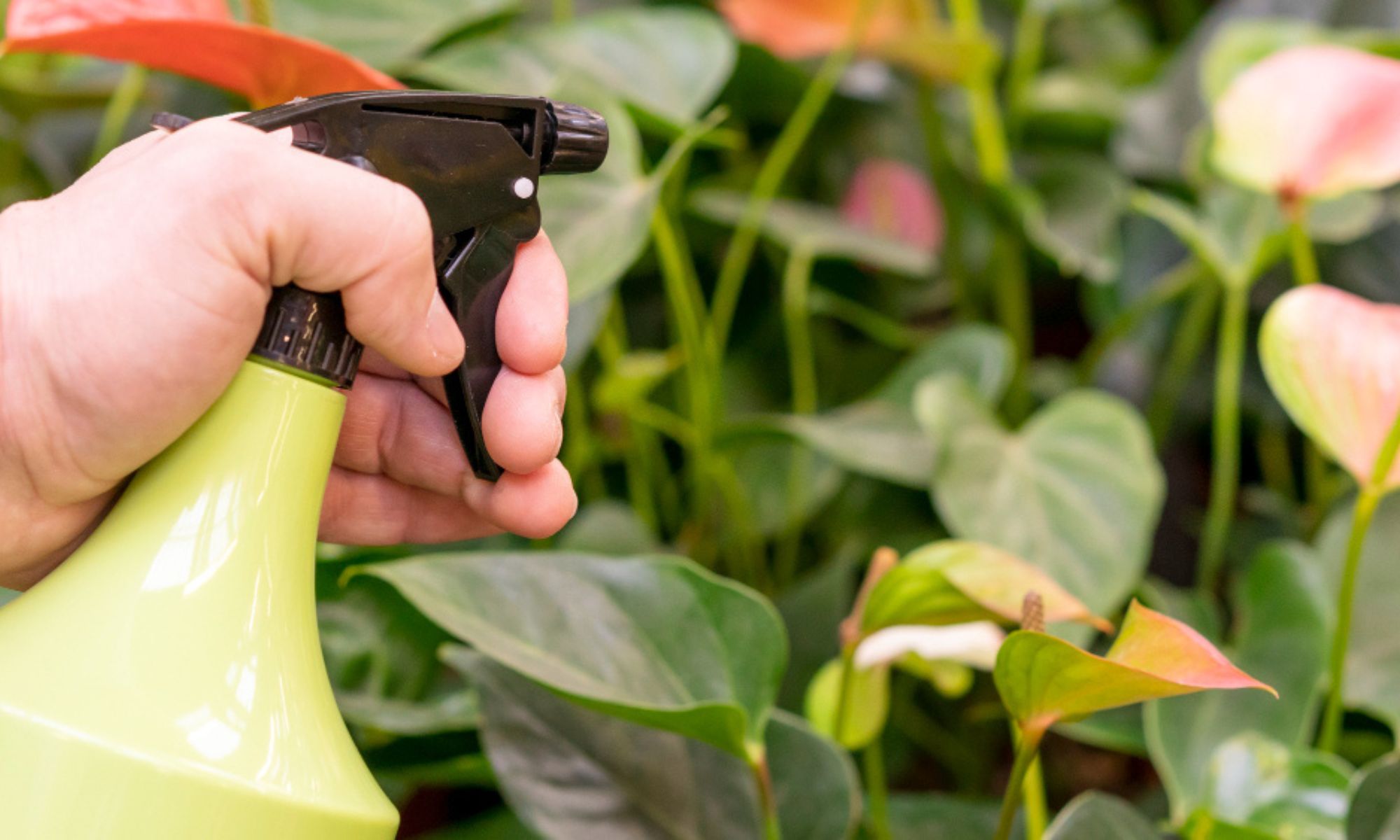
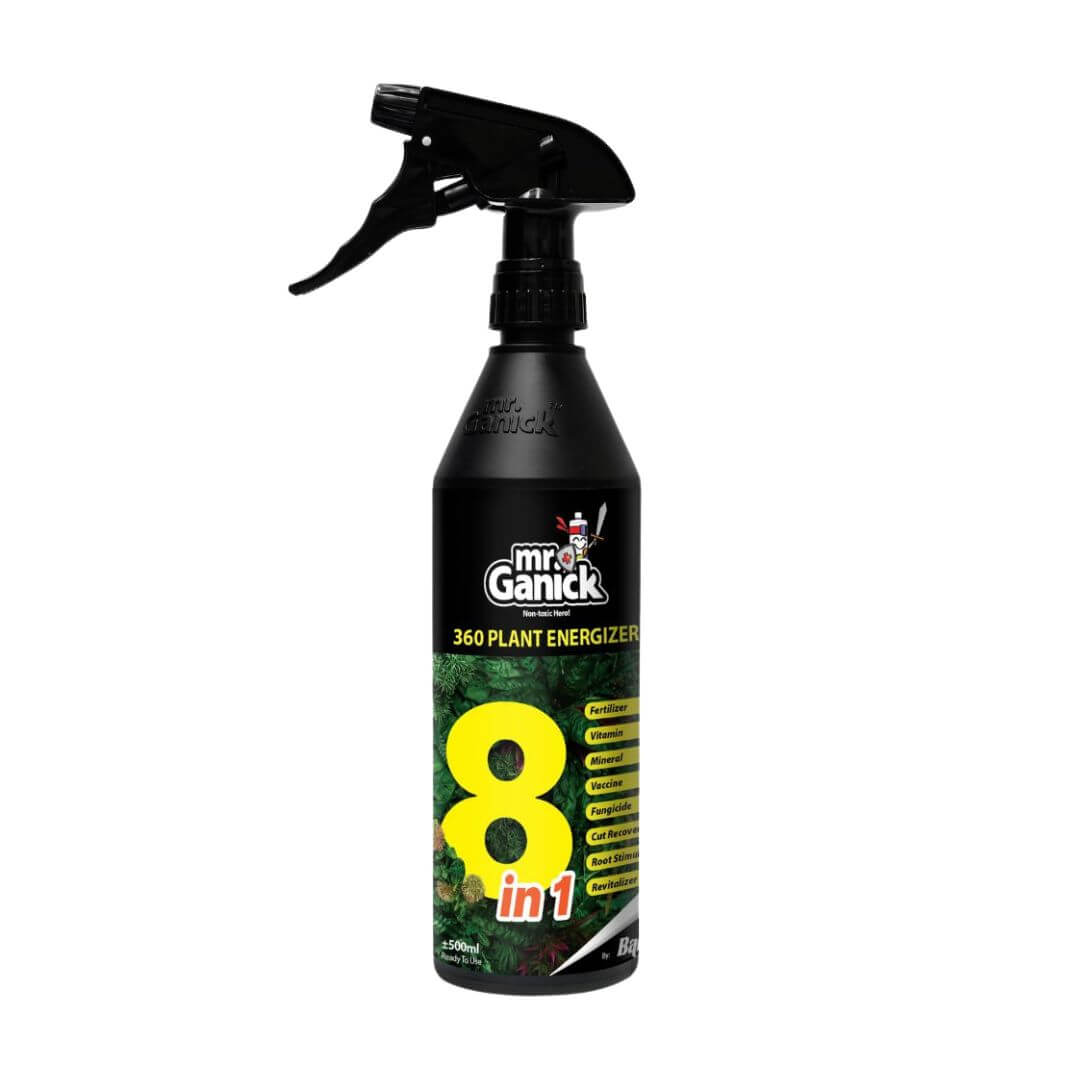
To encourage the growth of new bark and support recovery, spray Mr Ganick 8 in 1 360 Plant Energizer directly on the trunk or stems. This helps strengthen the plant and promotes natural repair.
For faster improvement, applying a compost-based fertilizer can also help by improving soil health and supporting steady growth.
Usage instruction:
-
- Share the bottle before use.
-
- Apply in the morning, avoid spraying plants in direct sunlight.
-
- Spray once a week on the tree trunk or tree canopy.
-
- For preventive or mild cases: once a week; For severe conditions: Spray every three days.
What Does Trunk Cracking Mean?
Trunk cracking usually happens when a fruit tree grows faster than its outer bark can adjust. When the inner tissues expand quickly, the bark may split, forming visible cracks. In many cases, the tree can continue growing normally as long as the damage is not severe.
4 Common Causes of Trunk or Stem Cracking
1. Excessive Potassium Fertilizer
Potassium helps fruit trees grow and produce fruits, but applying too much can cause overly rapid growth. When this happens, the trunk expands faster than the bark can stretch, leading to cracking. This is common among beginners who fertilize frequently or exceed the recommended dosage.
2. Climate and Weather Changes
Extreme weather conditions are another major cause. During dry periods, trees may lose moisture and the woody tissues shrink, making the bark more prone to cracking. After heavy rainfall, trees absorb large amounts of water, causing the trunk to expand suddenly and split.
3. Rapid Growth Stages
Young trees or trees entering a strong growth phase may develop cracks naturally. This usually happens when growth accelerates and the bark has not yet fully adapted.
4. Will Cracked Trunks Affect Tree Growth?
In most mild to moderate cases, trunk cracking does not affect overall plant growth. If the leaves remain healthy and there are no signs of rot or pests, the tree can recover well with proper care. However, cracked areas should be supported to prevent infections and speed up healing.
How to Prevent Trunk Cracking?
Trunk cracking in fruit trees is often caused by environmental stressors, such as extreme weather, over-fertilization, or inconsistent watering. To reduce the risk of trunk cracking, it’s important to adopt a few key care practices:
-
-
Avoid Over-Fertilizing
-
Excessive use of chemical fertilizers can lead to rapid growth, which can weaken the trunk and increase the likelihood of cracking. Opt for a balanced approach by using organic or slow-release fertilizers that provide nutrients gradually, promoting steady and healthy growth.
-
-
Maintain Consistent Watering
-
Irregular watering can stress the tree, causing its trunk to expand and contract, which may lead to cracks. Water your fruit trees consistently, ensuring the soil is moist but not waterlogged. Deep watering is best to encourage strong root development.
-
-
Use Balanced or Organic Fertilizers
-
Organic fertilizers, such as compost or well-rotted manure, provide nutrients that improve soil health over time. Balanced fertilizers with equal parts nitrogen, phosphorus, and potassium help support the overall health of the tree without overloading it with excessive nutrients.
-
-
Protect the Tree from Extreme Temperature Fluctuations
-
Sudden temperature changes can cause the bark to expand or contract rapidly, leading to cracks. During extreme heat or cold, consider wrapping the trunk with tree wraps or shields to provide protection.
With these simple yet effective practices, you can help your fruit trees grow with strong, resilient trunks that are better equipped to handle changes in the environment and growing conditions.
Explore our selection of garden accessories and organic fertilizers to provide your fruit trees with the care they need, helping to protect trunks from cracking and ensuring strong, healthy growth.