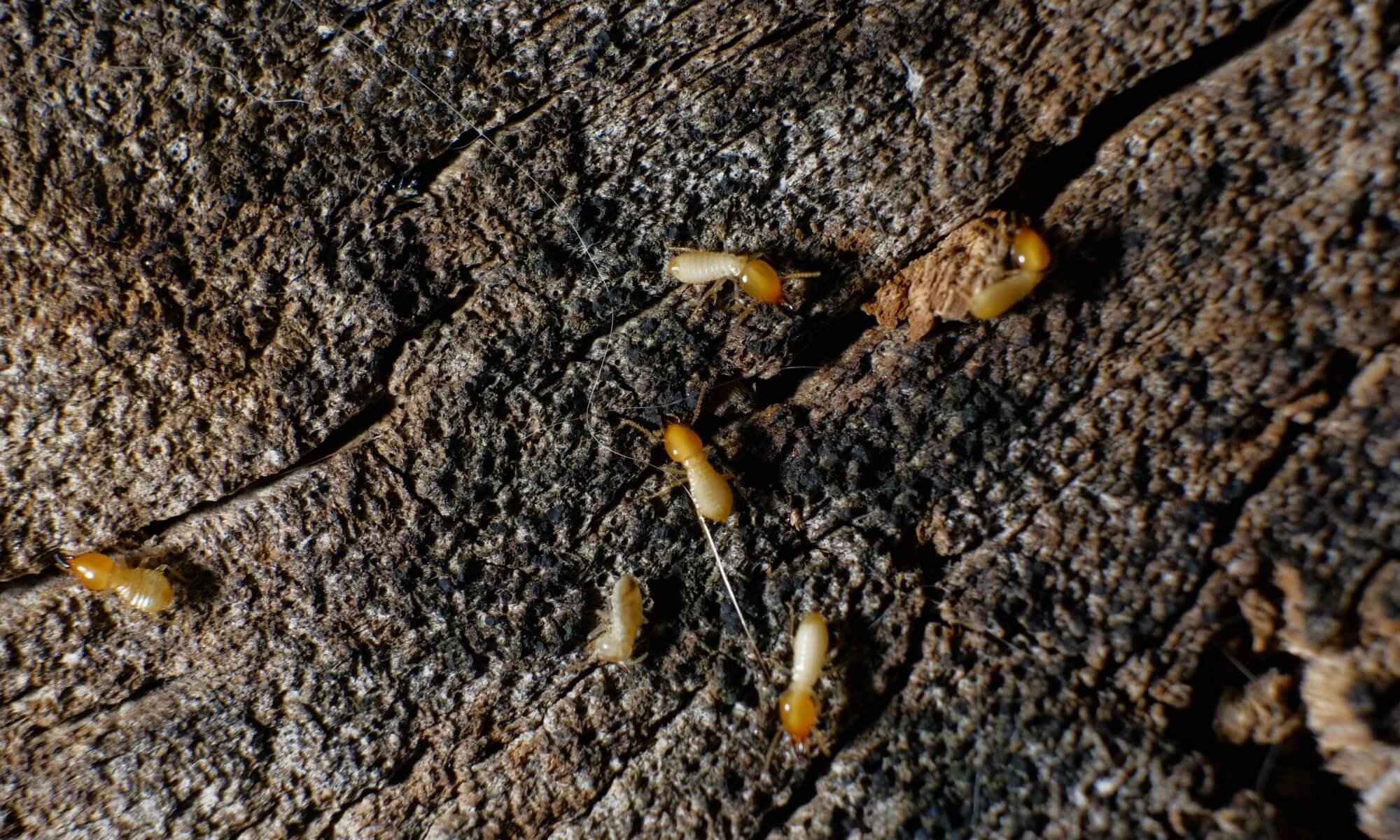
Brown or rust-colored spots on guava leaves are usually caused by bacterial leaf spot, algae growth, or insect damage such as stink bugs. These problems commonly occur in humid environments where airflow is poor and moisture remains on leaves for long periods. The symptoms often look similar, which makes it difficult to determine the exact cause. Because of this, many growers treat both pest and disease issues at the same time to prevent further damage.
If left unmanaged, the spots may spread across the leaves, reducing photosynthesis and weakening the tree. Early treatment and proper orchard maintenance can significantly reduce the problem.
How to treat brown or rust spots on guava leaves
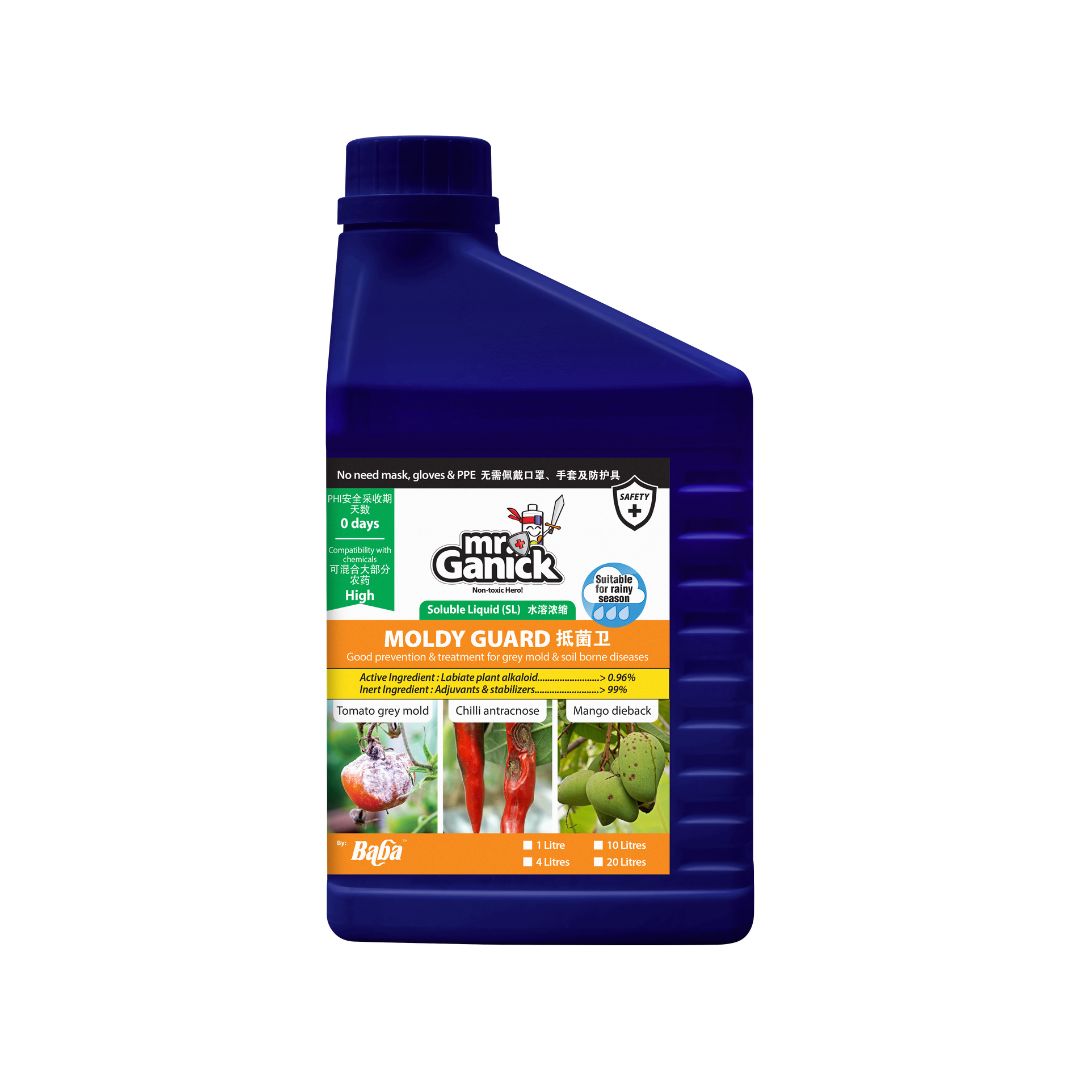
To control both pests and disease simultaneously, growers often use a combination treatment. A mixture of Mr Ganick Ultimite Concentrate and Mr Ganick Moldy Guard Concentrate can help manage insects and bacterial or algae spots at the same time.
Mix 40 ml of Mr Ganick Ultimite Concentrate and 40 ml of Mr Ganick Moldy Guard Concentrate with 20 liters of water, then spray the entire tree canopy. Under normal conditions, apply the spray once every two weeks. If the symptoms are severe, weekly spraying may be necessary until the spots stop spreading.

Improve ventilation through pruning
Pruning dense branches helps the treatment reach inner leaves more effectively. It also improves airflow and allows sunlight to penetrate the canopy. Better ventilation reduces humidity around the leaves, making it harder for bacteria and algae to grow.
Maintain a clean orchard environment
Keeping the area around the tree clean is equally important. Trim grass beneath the tree and remove fallen leaves regularly. Raking the ground every two weeks helps reduce moisture and prevents pests and pathogens from multiplying in the orchard floor.
3 Common causes of brown or rust spots on guava leaves
Rusty or brown spots on leaves can happen for several reasons, and identifying the likely cause is the first step in choosing the right treatment for your plants.
1. Bacterial leaf spot
Bacterial leaf spots appear as small dark or rusty patches on the leaf surface. It spreads more rapidly during rainy seasons or in orchards where the canopy is dense and airflow is limited.
2. Algae or fungal spots
Algae or fungal growth may develop when the environment remains moist for long periods. These spots can appear reddish-brown or rust-colored and may gradually spread across older leaves.
3. Insect feeding damage
Some insects, such as stink bugs, feed on plant tissues and leave marks that resemble bacterial spots. Their feeding damage can weaken the leaves and make them more vulnerable to infection.
Protect your guava leaves before the damage spreads
Brown or rust spots on guava leaves often appear when pest pressure and moisture related disease start to affect the tree at the same time.
Managing the problem early with regular spraying, proper pruning, and a cleaner growing environment can make a big difference in protecting leaf health and supporting stronger growth.
With Baba’s plant care solutions, you can take better care of your guava trees and respond more confidently before the damage spreads further.
Explore Baba’s plant pesticide today to support healthier leaves, stronger trees, and a more productive garden.