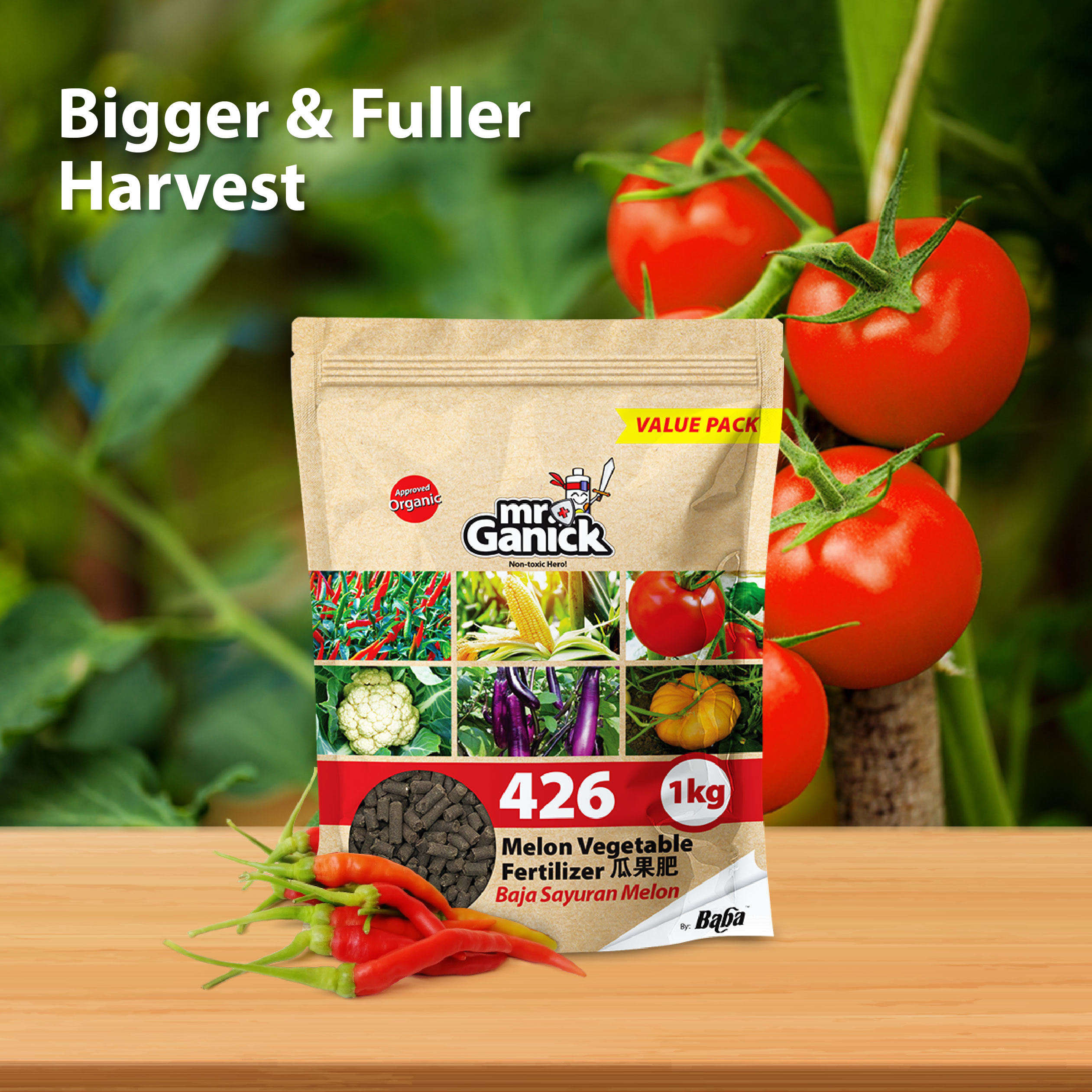
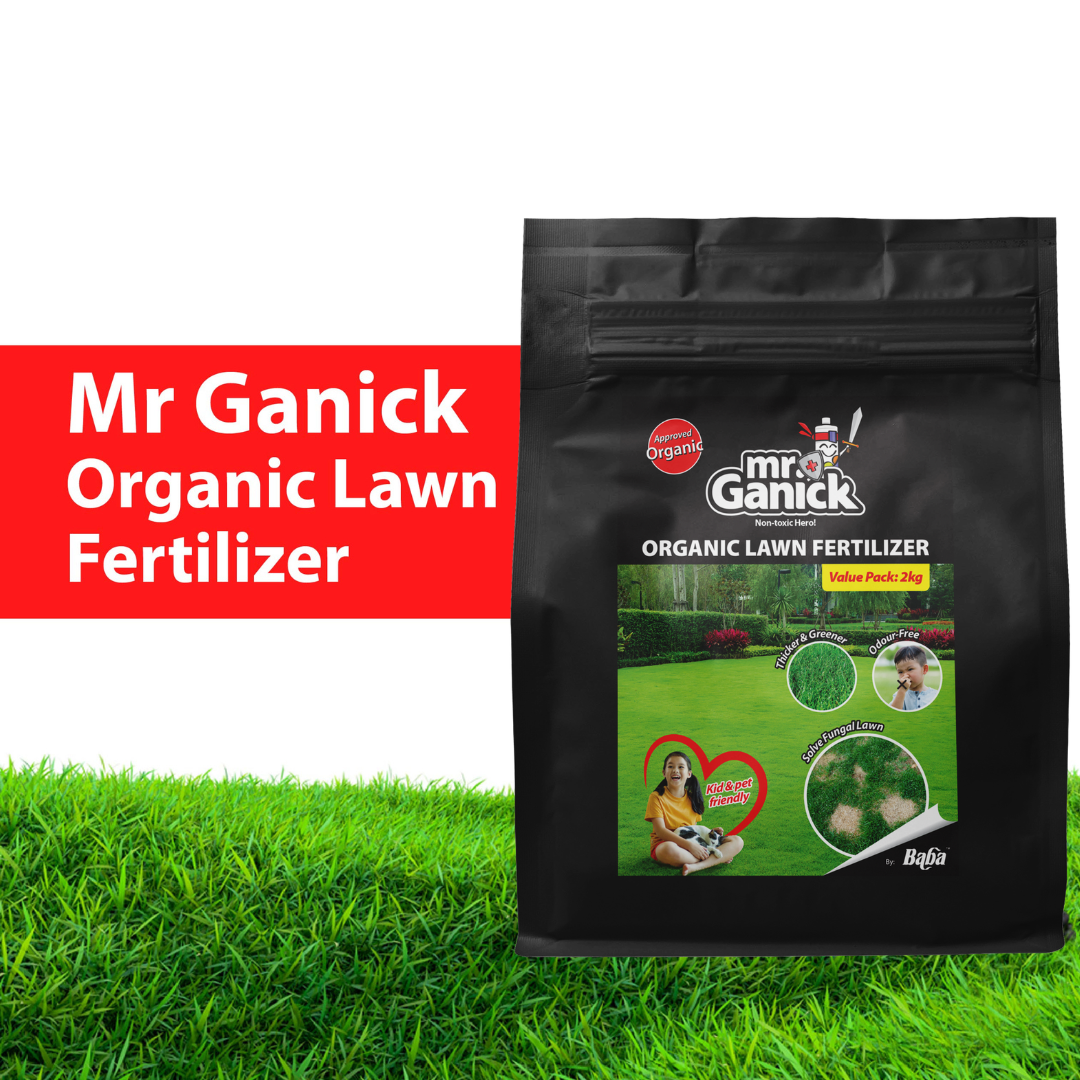
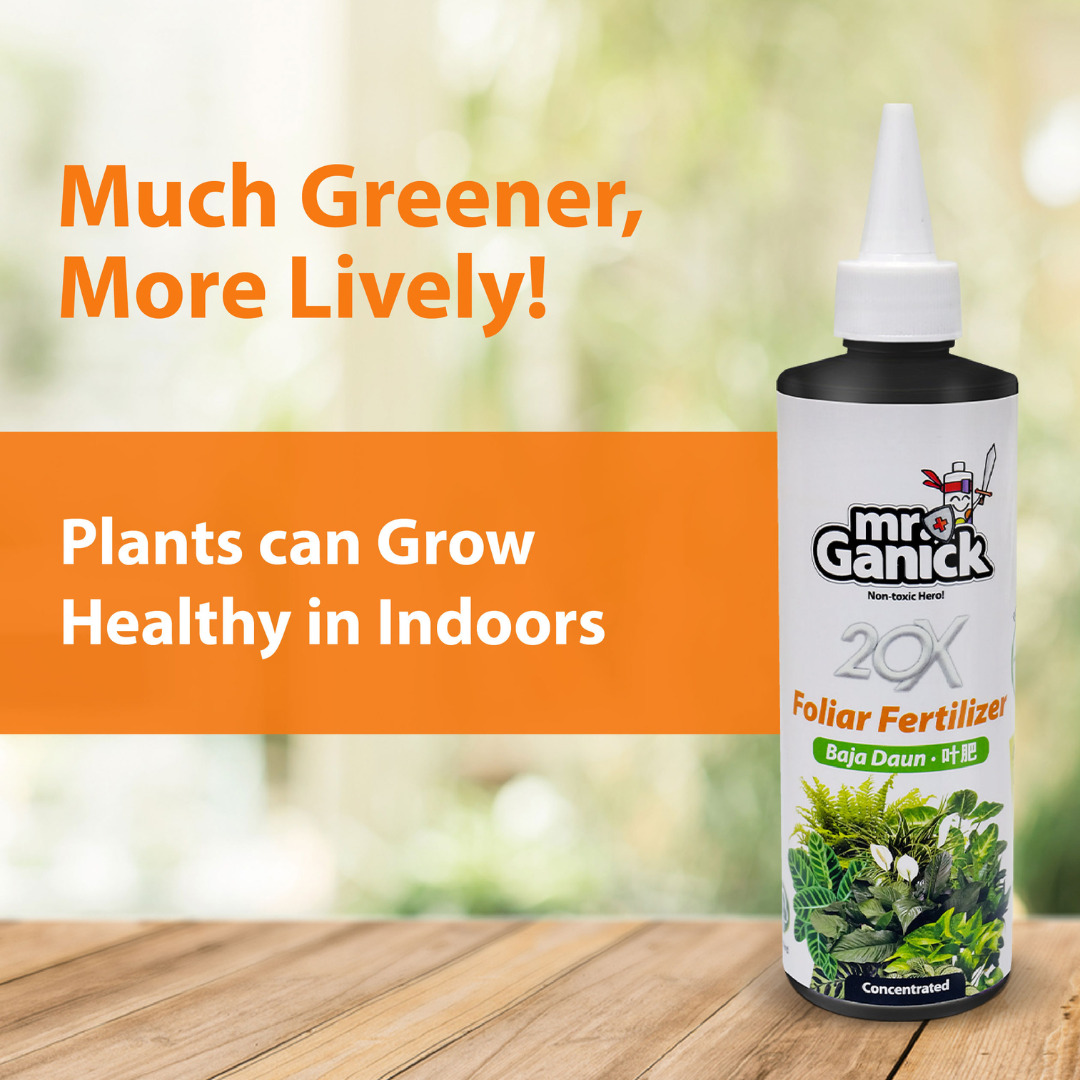
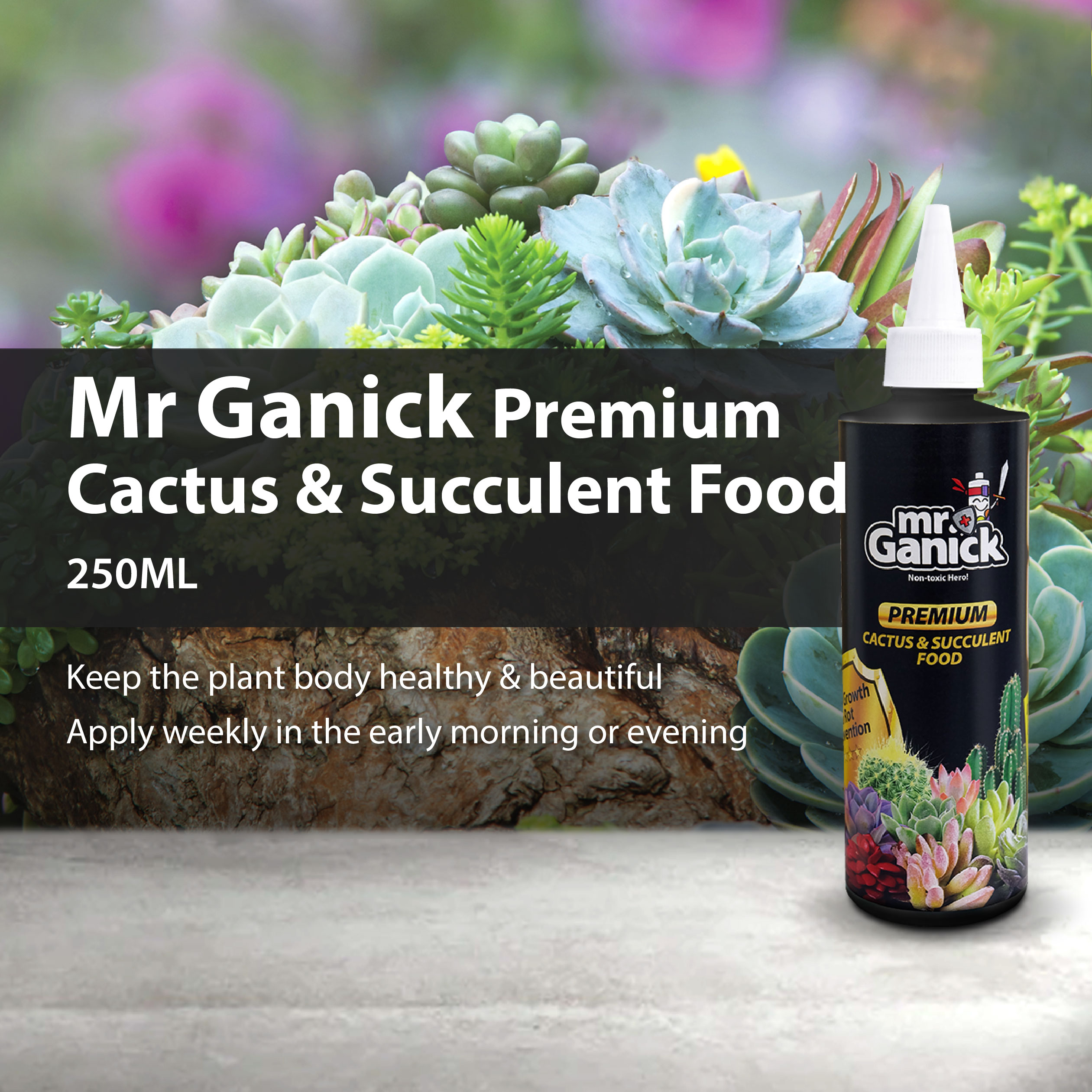
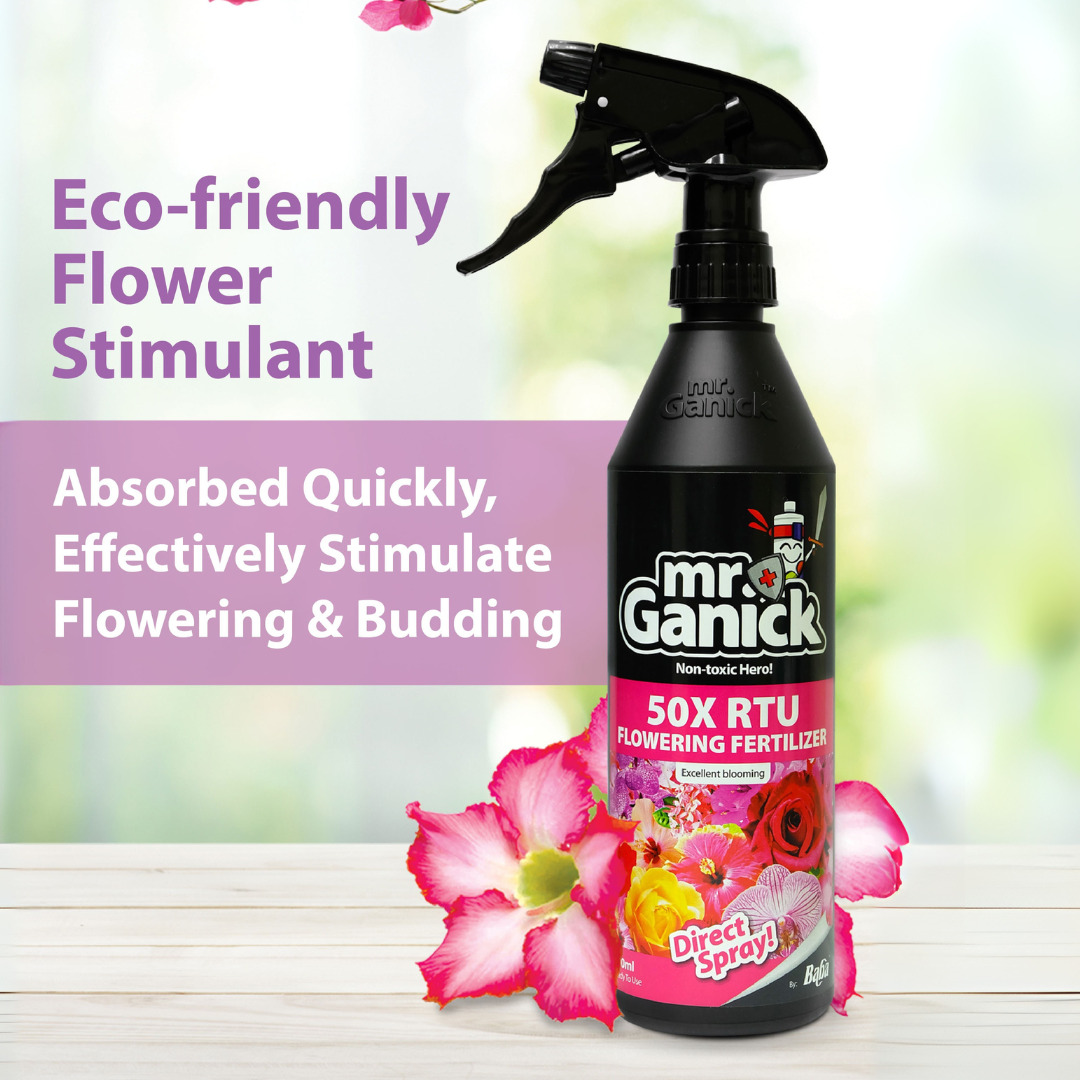
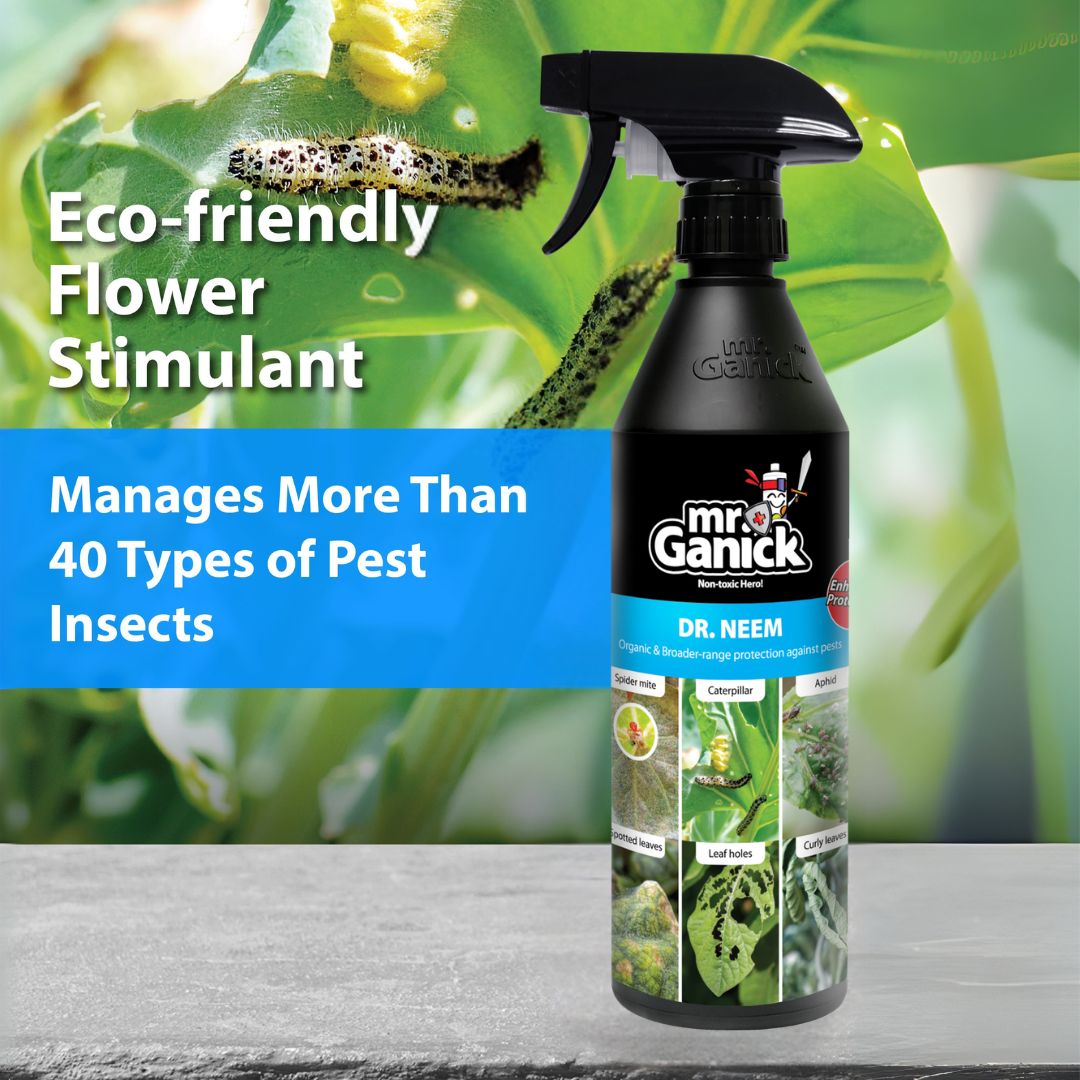
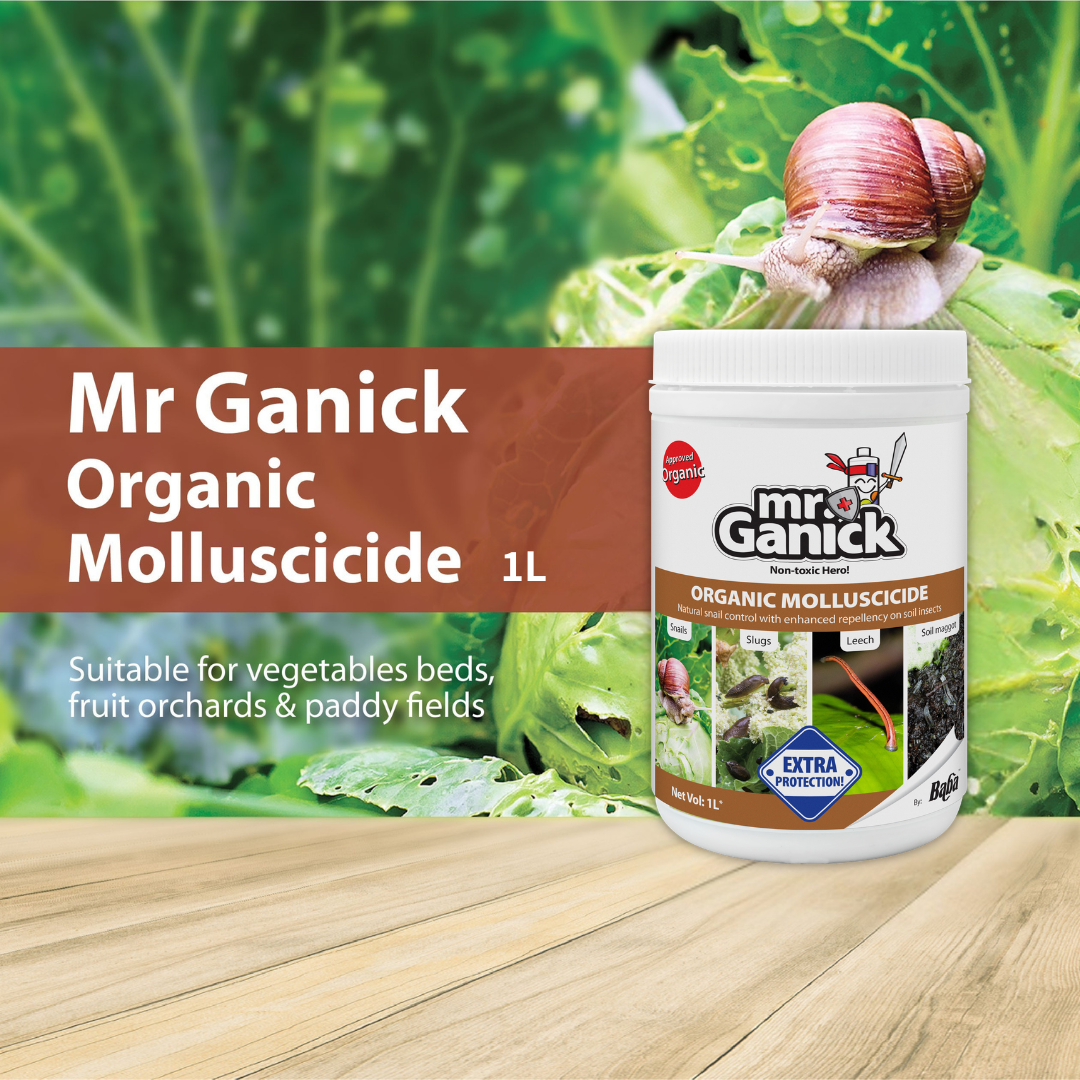
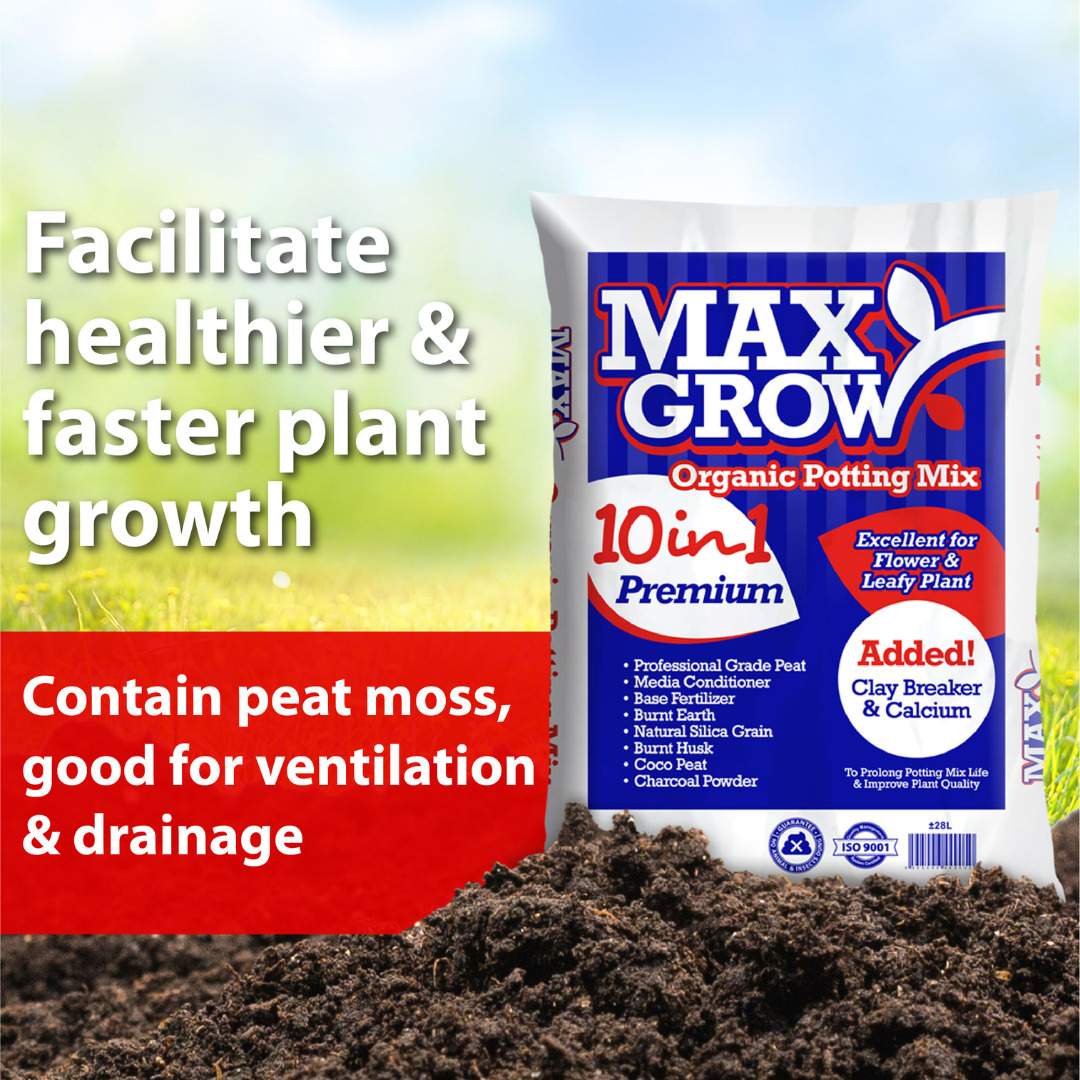
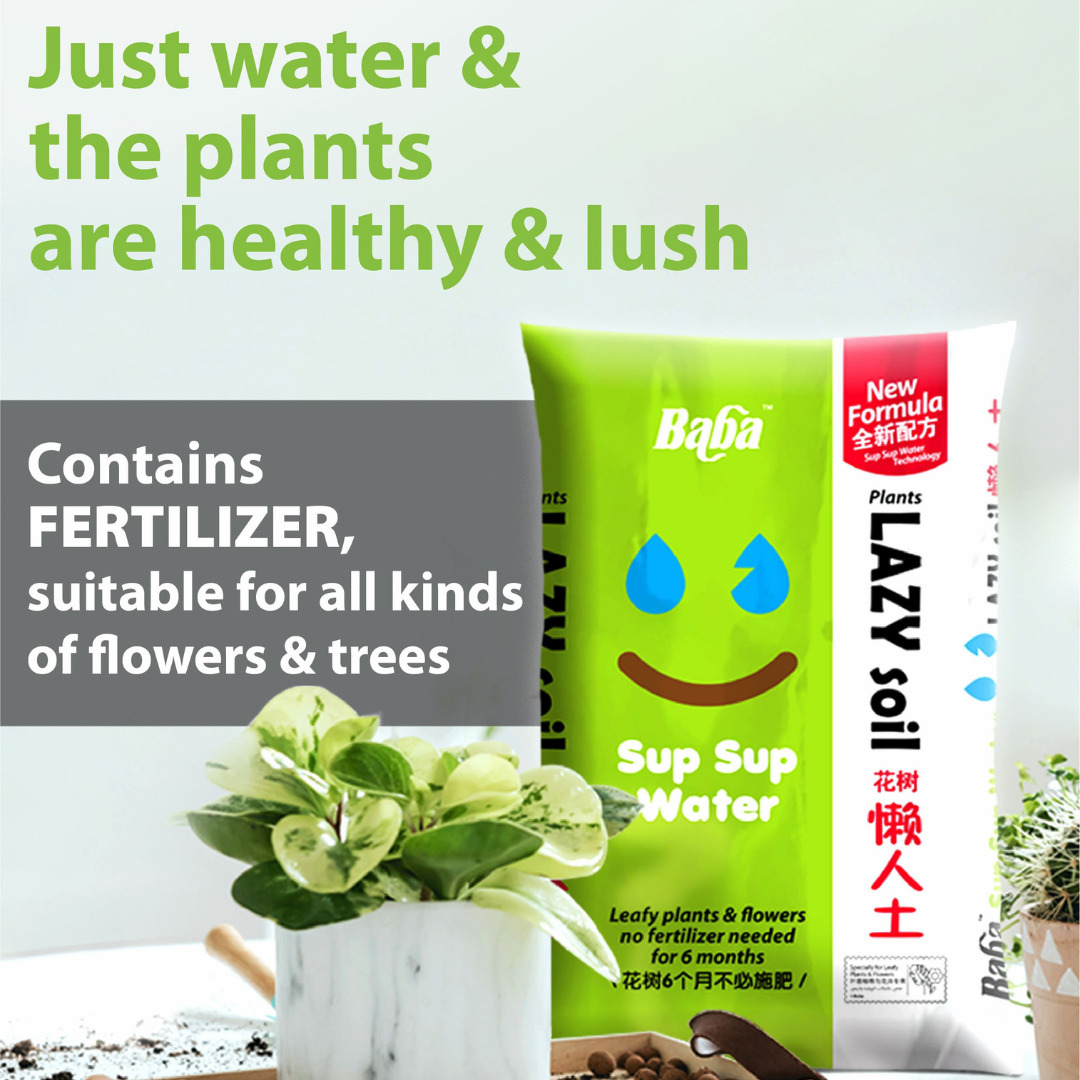
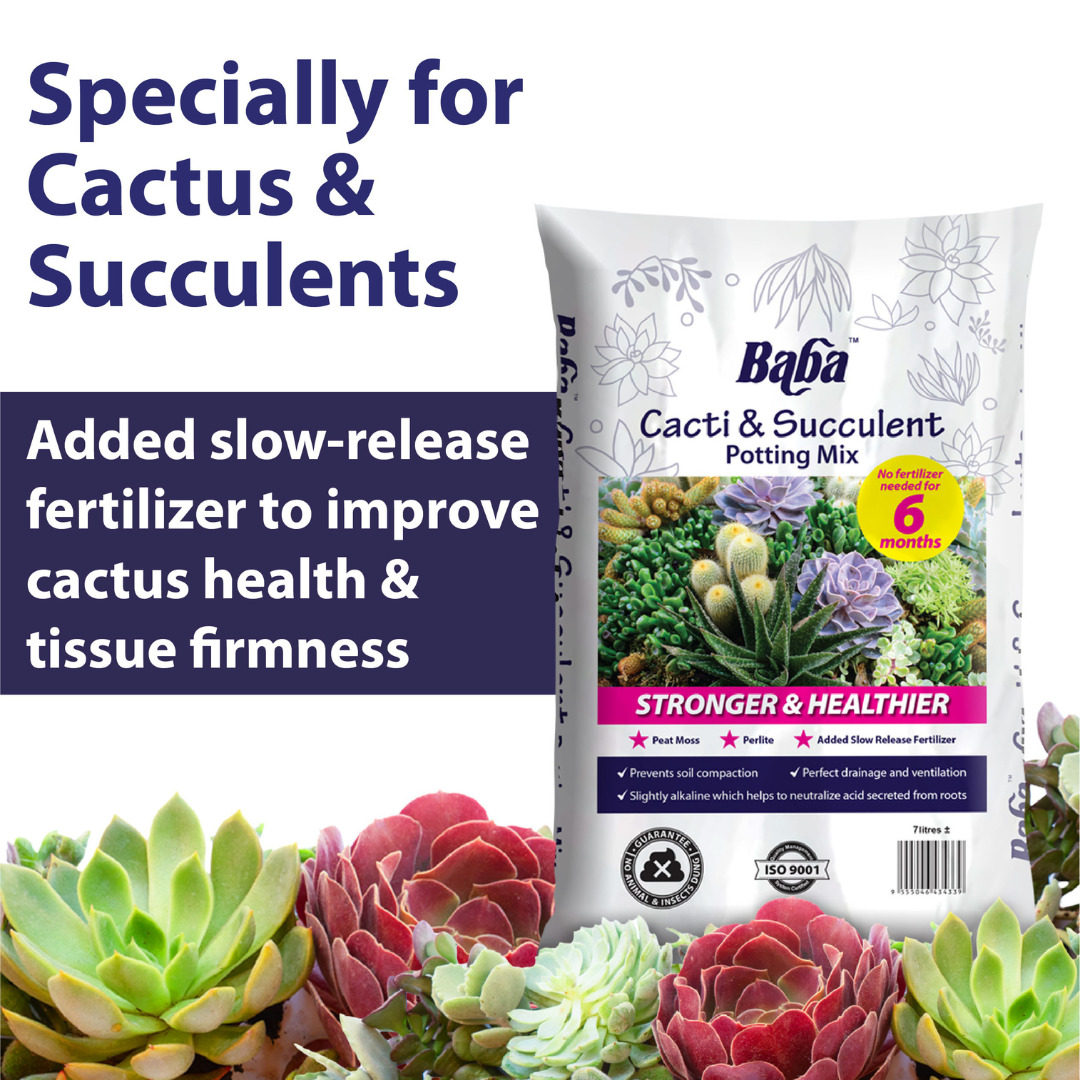
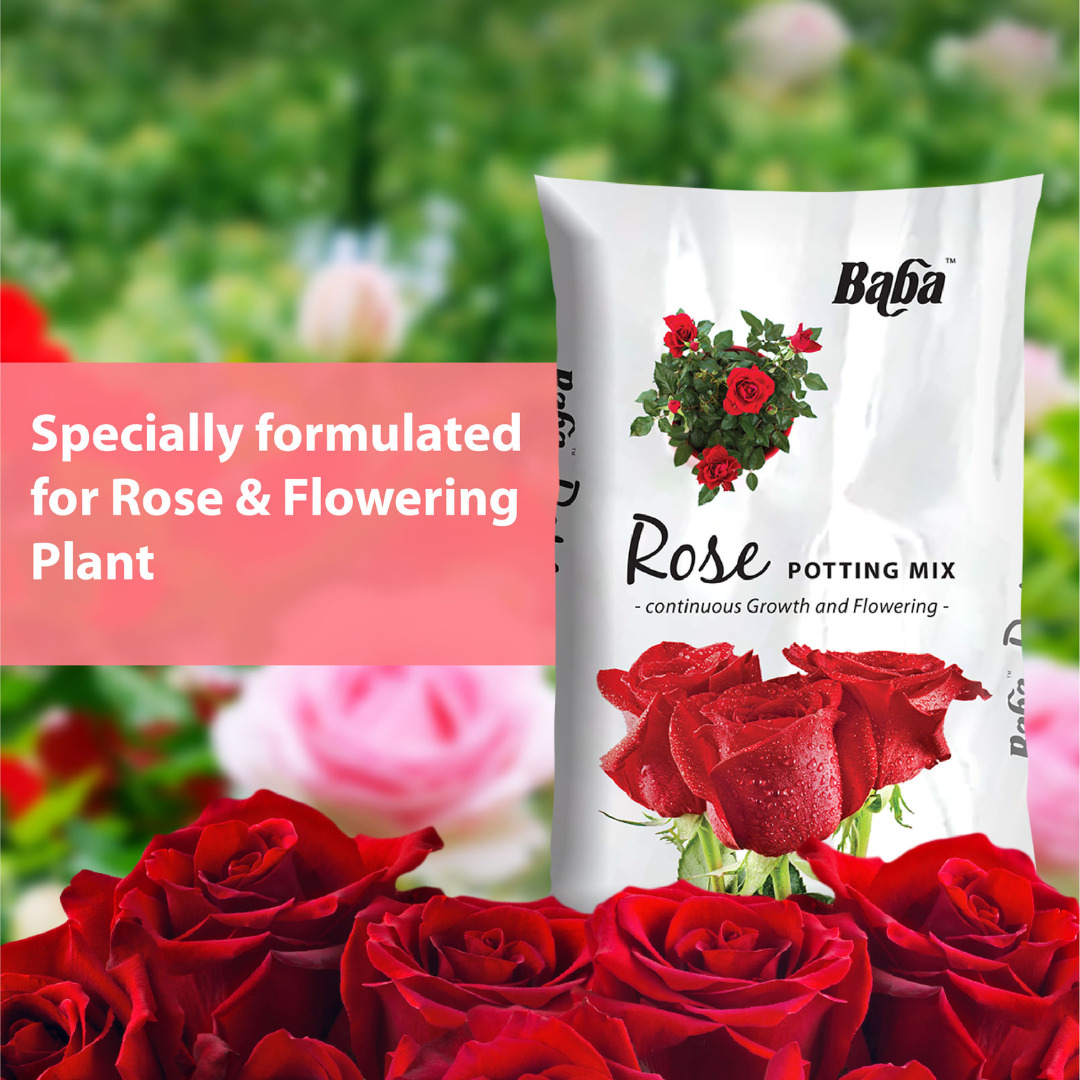
Made with 100% natural ingredients, our solutions are designed to support healthier plant growth while keeping your home environment safe.
From improving soil health to protecting plants from pests, each product works gently and effectively — without relying on harsh chemicals.
Proven Safe. Trusted by Standards.
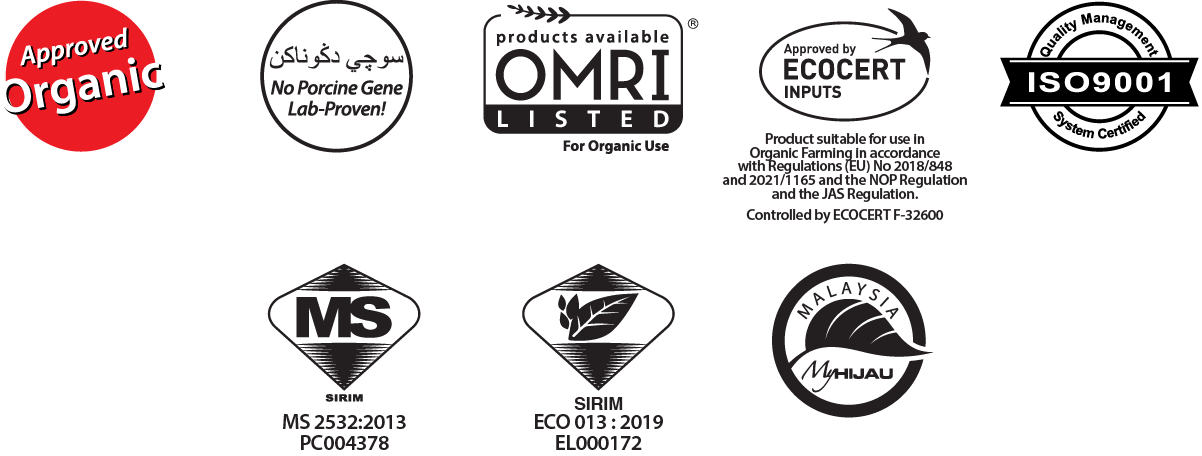
Built on years of organic research, every product is tested and certified by trusted bodies such as Malaysia’s SIRIM and the European Union’s Ecocert.
So you can use it with confidence — every day.
International organic certification, safe & effective!
A Better Way to Grow
Many solutions today focus on quick results, often using strong chemicals. Over time, they can affect the soil, the environment, and even what we bring home.
That’s why we work closely with farmers to create organic solutions that are safer and easier to use — and it’s something we continue to work on every day.
Our goal has always been the same: to protect our soil, our families, and the future.
Plant Growth & Pest Control FAQs
What do the numbers on the front of a fertilizer bag stand for?
The three numbers (like 5-3-2 or 2-5-8) represent the NPK ratio—which stands for Nitrogen (N), Phosphorus (P), and Potassium (K). These are the three main nutrients plants need:
Nitrogen (N) helps with leaf and stem growth
Phosphorus (P) supports root development and flowering
Potassium (K) boosts overall plant health and resistance
For example, a 5-3-2 fertilizer has 5% nitrogen, 3% phosphorus, and 2% potassium. The right mix depends on your plant’s needs!
How do I know if my plant needs fertilizer?
There are a few signs your plant might be hungry for nutrients:
Slow or stunted growth, even in good light
Yellowing or pale leaves
Fewer flowers or fruit than usual
Soil that looks dry, compacted, or depleted
If it’s been a while since you last fertilized or repotted, your plant may have used up the nutrients in the soil. Fertilizing can help give it a healthy boost, just be sure to choose the right type for your plant.
How do I know which organic fertilizer is right for my plant?
The best fertilizer depends on what you’re growing:
Leafy vegetables thrive with fertilizers high in nitrogen to support lush foliage.
Flowering plants prefer formulas with more phosphorus, which helps boost blooms.
Fruiting crops do well with a balanced NPK fertilizer. This fertiizer for fruiting supports both growth and fruit development.
What is the best time to fertilize plants?
Always follow the manufacturer’s recommended rates and application methods. Fertilize outdoor plants in the coolest part of the day, such as early morning or late evening, especially in hot summer weather. Always water in fertilizers well to distribute nutrients throughout the soil profile and to prevent burning.
What are the signs of over fertilizing?
Over fertilizing can harm your plants instead of helping them. Common signs include: brown or burnt leaf tips, yellowing leaves or leaf drop, white crust on the soil surface (excess salt buildup), wilting (even though the soil is moist), stunted growth or weak roots.
If you notice these symptoms, stop fertilizing, flush the soil with clean water, and let your plant recover. Always follow the recommended dosage on the label, more fertilizer doesn’t always mean faster growth.
Do I really need to use plant pecticides?
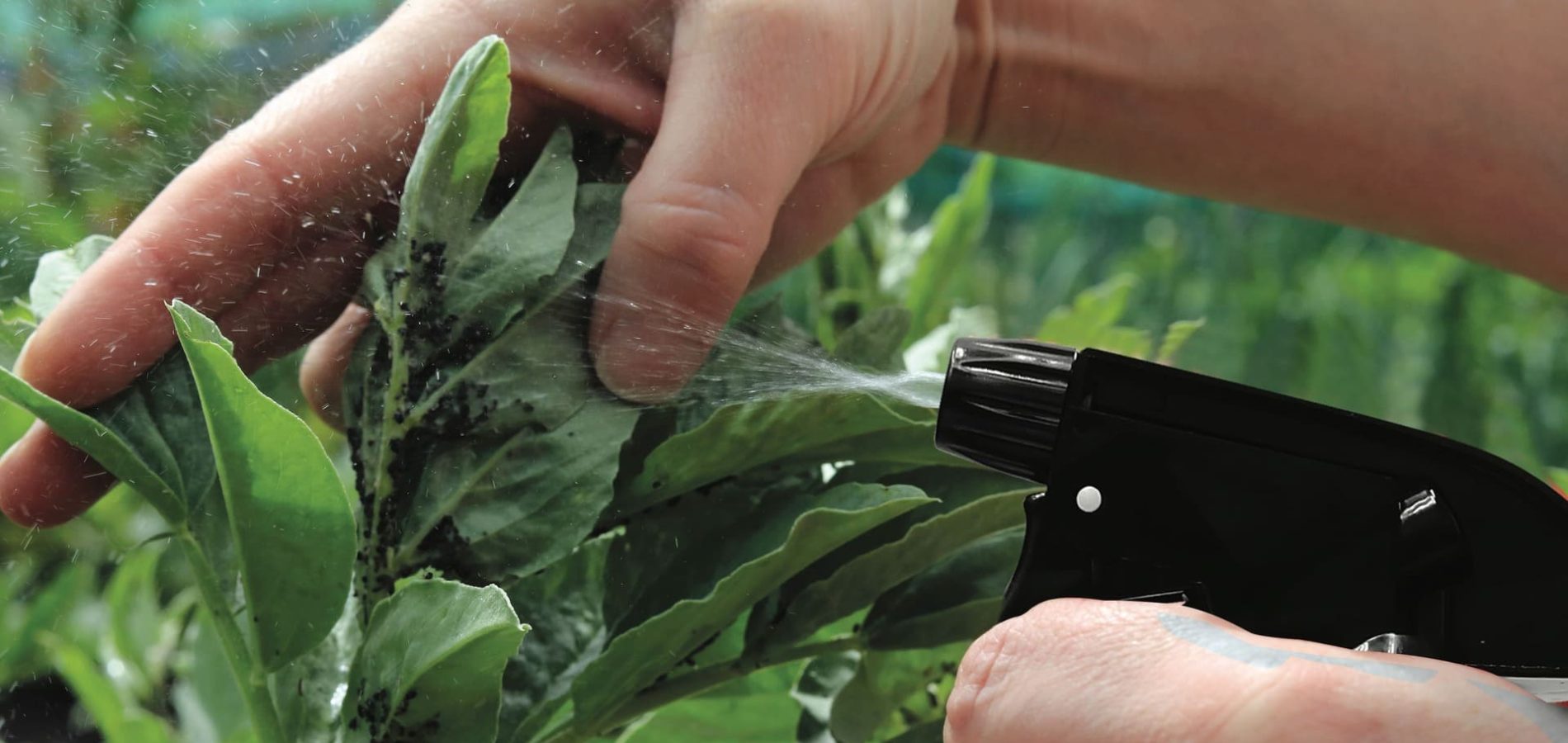
Not always. But if your plants show signs of pest damage—like holes in leaves, sticky residue, or stunted growth, a pesticide can help control the problem before it spreads.
Are plant pesticides safe for pets and children?
Some are, but not all. Always choose pet-safe or organic options and keep kids and pets away from recently treated areas until the product has dried.
Is it safe to use plant pesticides on edible plants?
Yes, but it’s important to use a pesticide specifically labeled for edible plants. Always check the label to make sure the product is safe for food crops, and follow the recommended waiting period before harvesting. For peace of mind, many gardeners opt for organic pesticides, which are designed to be safer for both the plants and the people consuming them.
How do I choose a pesticide?
Choosing the right pesticide depends on several factors:
Identify the pest: Before choosing a pesticide, make sure you know what kind of pest you’re dealing with. For example, use an insecticide for bugs, a fungicide for mold or mildew, or a miticide for spider mites.
Consider your plant type: Make sure the pesticide is suitable for your specific plant. Some pesticides are safe for edible plants, while others are meant for ornamental plants. Always check the label for these details.
Choose organic or chemical options: If you’re concerned about chemicals, consider organic or natural pesticides, which are typically safer for the environment, pets, and people. However, they might need more frequent application.
Indoor vs. outdoor: Ensure the pesticide is labeled for indoor or outdoor use depending on where your plants are located.
Check for safety: Always look for products that are pet-safe and child-safe if you have them around.
Read product labels carefully, and when in doubt, start with a smaller test application to see how your plants respond.
What’s the difference between natural and chemical pesticides?
Natural (or organic) pesticides use plant-based ingredients and are generally safer for people and the environment.
Chemical pesticides are synthetic and may work faster but can be harsher on beneficial insects and soil health.
Organic Fertilizer & Plant Pest Control Solutions
Have questions about organic fertilizers or plant pest control solutions? Our team is here to help you choose the right products for your vegetables, flowering plants, fruit trees, indoor plants, or home garden. Get personalized guidance to keep your plants healthy, your soil nutrient-rich, and your garden chemical-free.