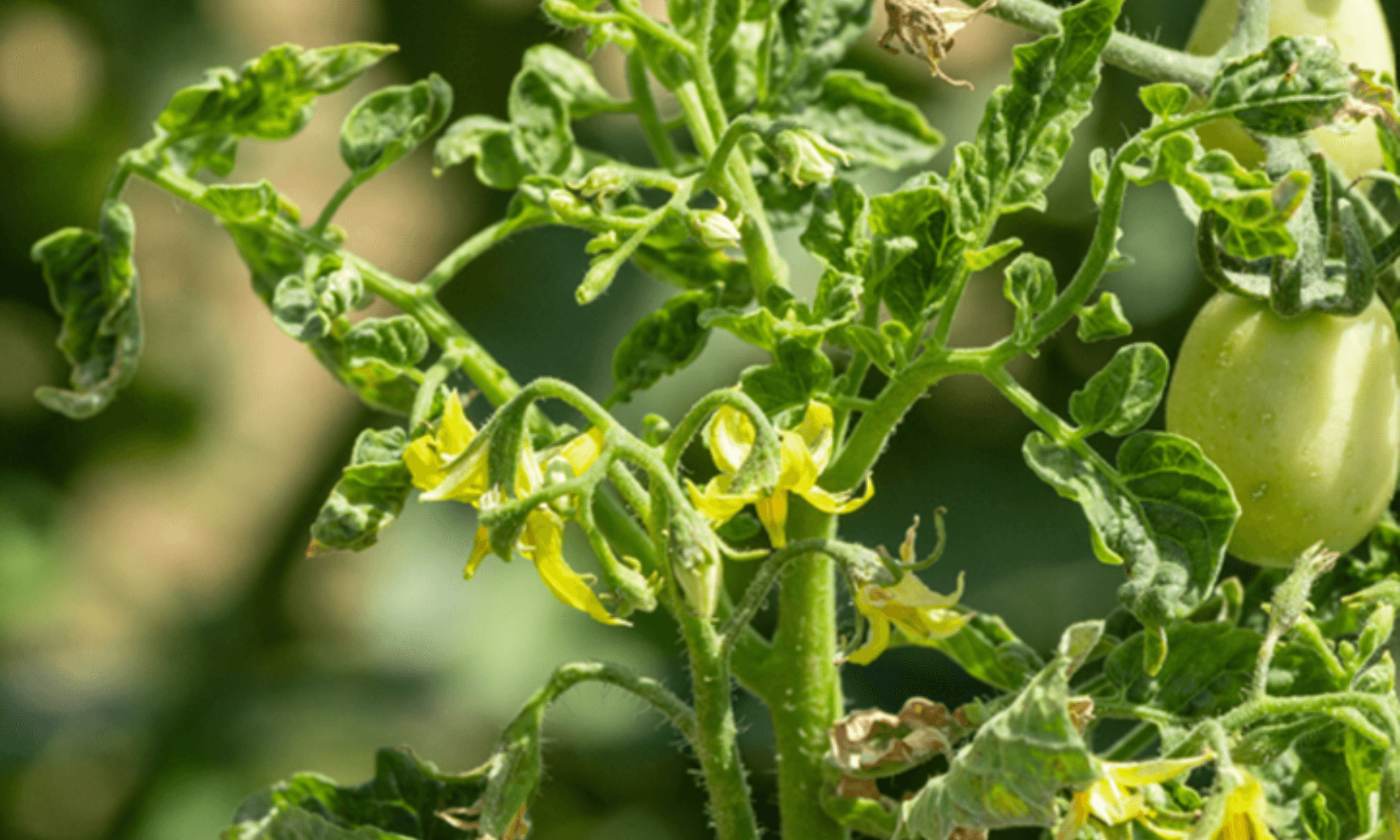
It is common to notice only specific branches becoming dry or withered while the rest of the tree stays green. This is usually caused by two main issues: root damage (such as root rot from poor drainage or root burn from over-fertilization), which limits nutrient uptake, or boring insects, which tunnel inside the wood and disrupt the flow of water. Identifying these causes early is vital, as localized drying is often a warning sign before the damage spreads to the entire tree.
Solutions for root-related problems
Improve soil drainage
If soil drainage is poor, dig trenches 1–2 feet deep to allow excess water to flow away from the root zone. Adding about one foot of soil under the tree canopy can further help divert water away from the roots.
Two-month tree and soil nurturing method

To restore root health and stimulate new growth:
- Month 1: Apply 10–12.5 kg of Mr Ganick Base Compost Extra per tree
- Month 2: Repeat the same application (10–12.5 kg per tree)
This organic compost improves soil structure and supports the growth of new shoots and branches.
Balanced fertilization
In the third month, apply chemical fertilizer 12-12-17 at a rate of 200–500 g per tree.
Do not apply fertilizer directly to the trunk. Always water thoroughly after application to avoid root burns.
Pest and disease prevention
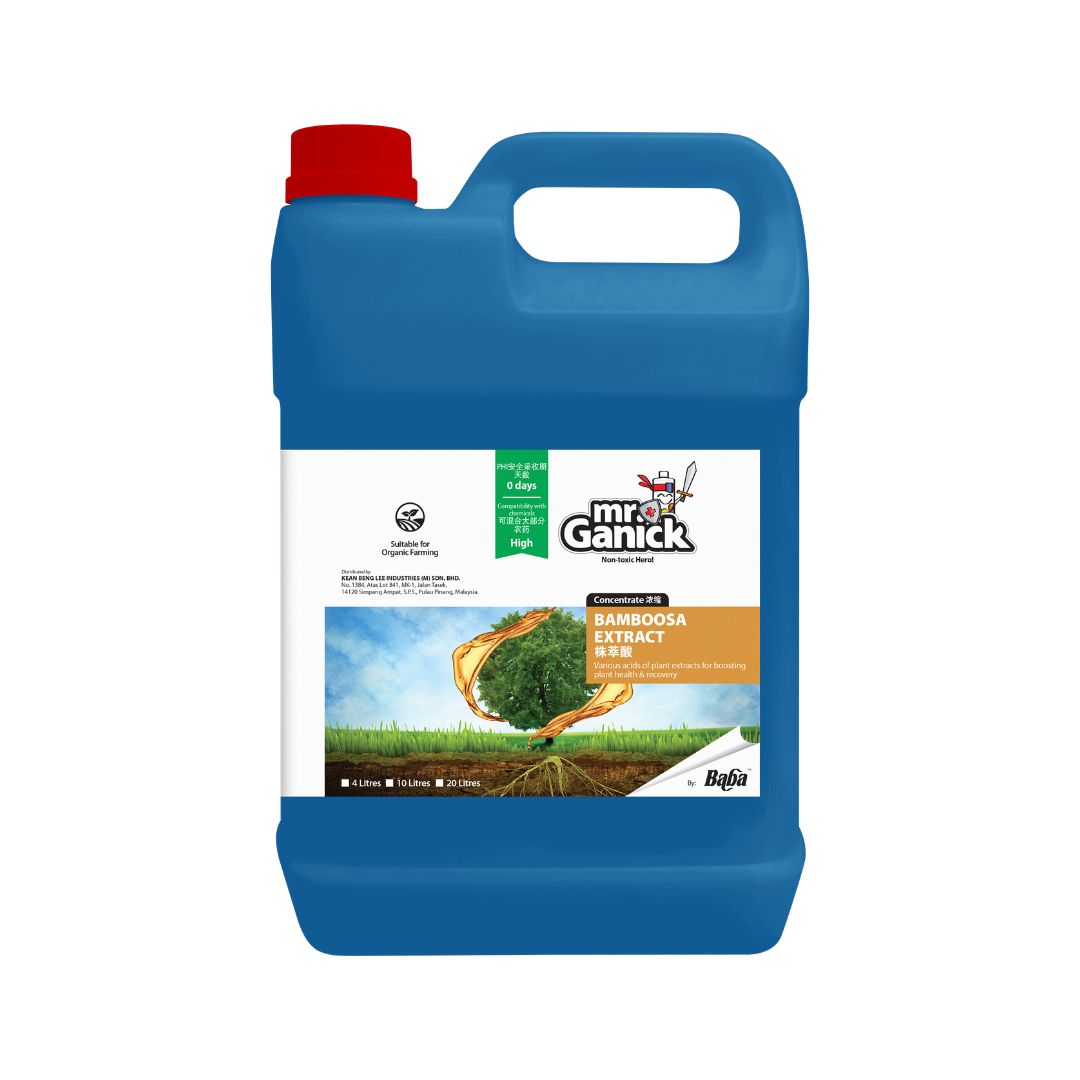
Spray Mr Ganick Bamboosa Extract once every 1–2 weeks to help prevent pests and diseases during recovery.
Solutions for Boring Insect Problems
For trees affected by boring insects:
- Spray a mixture of 40ml Mr Ganick Lepid 007 + 40ml Mr Ganick Ultimite + 20L water onto the tree trunk
- Apply once a week for 3–4 consecutive weeks
Once no new dry branch symptoms appear, switch to a maintenance spray:

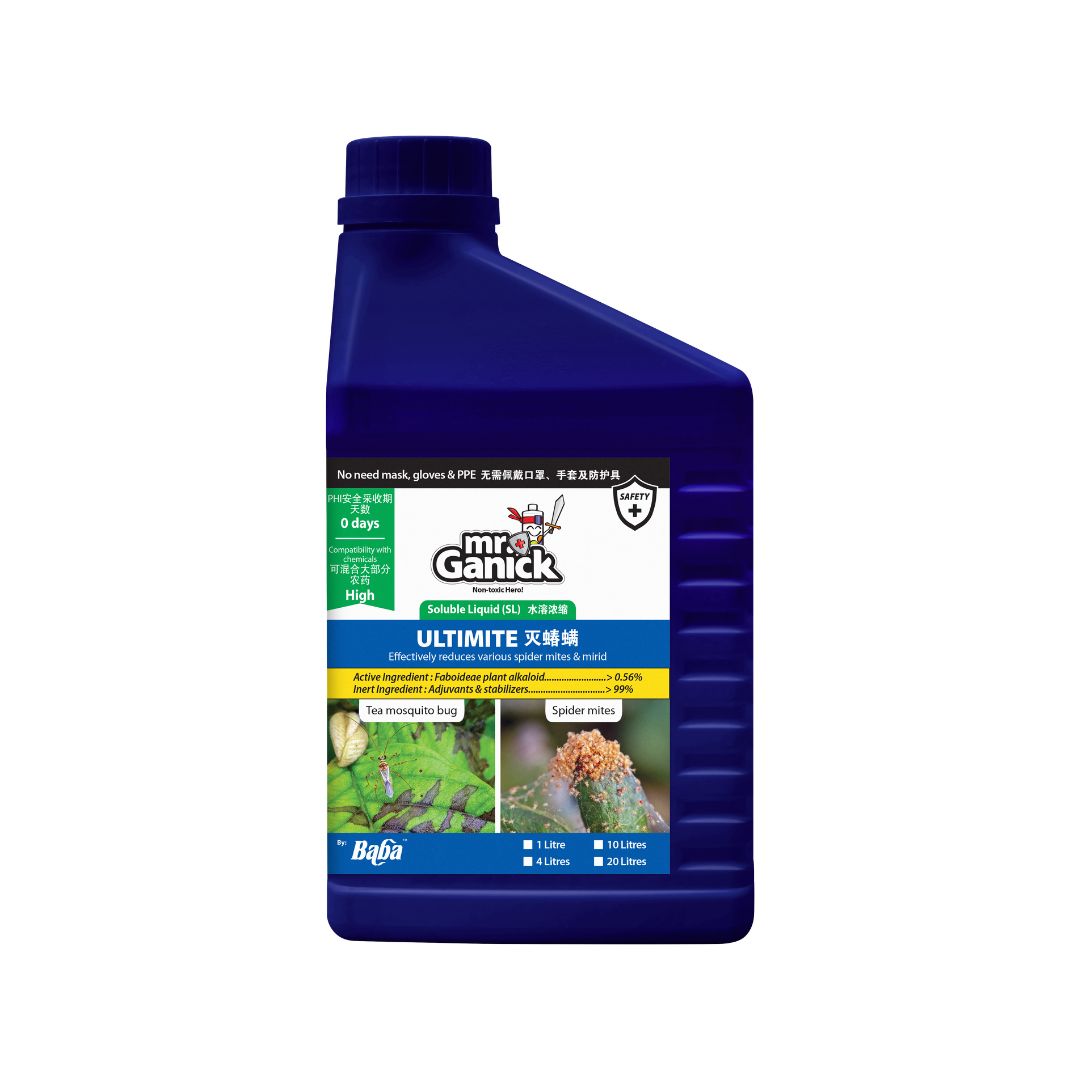
- 25ml Mr Ganick Lepid 007 + 25ml Mr Ganick Ultimite + 20L water, applied once every two weeks
2 Common causes of localized dry branches
1. Root rot or root burn
Fruit trees are highly sensitive to soil conditions. Excessive soil moisture can lead to root rot, which reduces oxygen availability and weakens the roots’ ability to absorb nutrients. In addition, overuse or uneven application of fertilizers may cause root burn, resulting in scorched leaves, poor nutrient uptake, and gradual wilting of specific branches.
This type of damage often affects only part of the root system, which explains why the drying appears localized rather than affecting the entire tree.
2. Boring insects inside dry branches
Another common cause is infestation by boring insects. These pests tunnel inside weakened branches, disrupting the transport of water and nutrients. As a result, affected branches dry out from the inside. Signs often include brittle branches, small holes, or sawdust-like residue near the trunk or branch joints.
Restore tree health before damage spreads
Dry branches appearing in specific areas often signal underlying root stress or internal pest activity rather than surface-level issues. Improving soil drainage, correcting fertilisation practices, and applying targeted pest control support recovery and long-term tree health. Early intervention limits further damage and helps fruit trees return to steady, productive growth.
Take action early by reviewing your soil condition and pest control approach, and choose organic pesticide for plants from Baba gardening supplier designed to protect roots and branches before problems escalate.