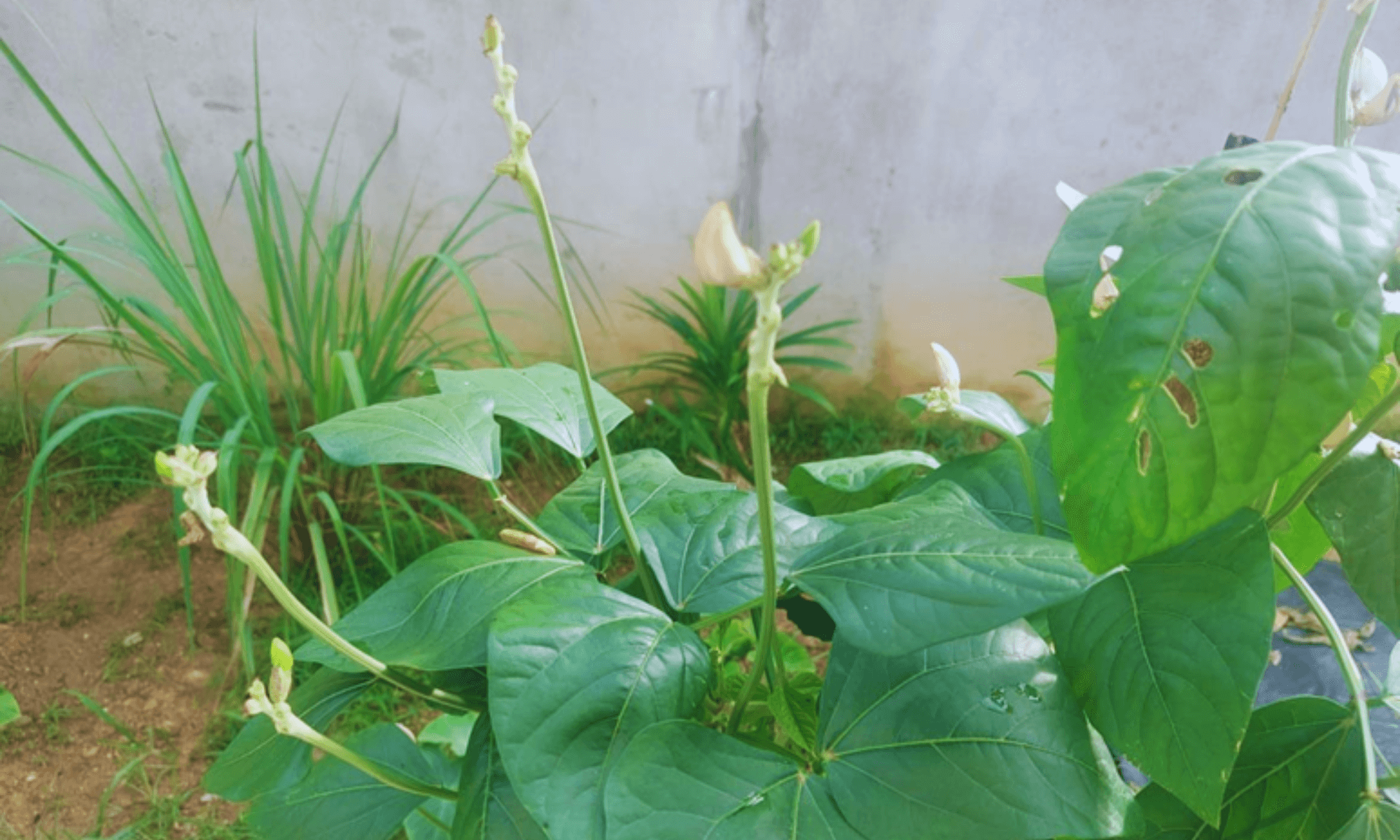
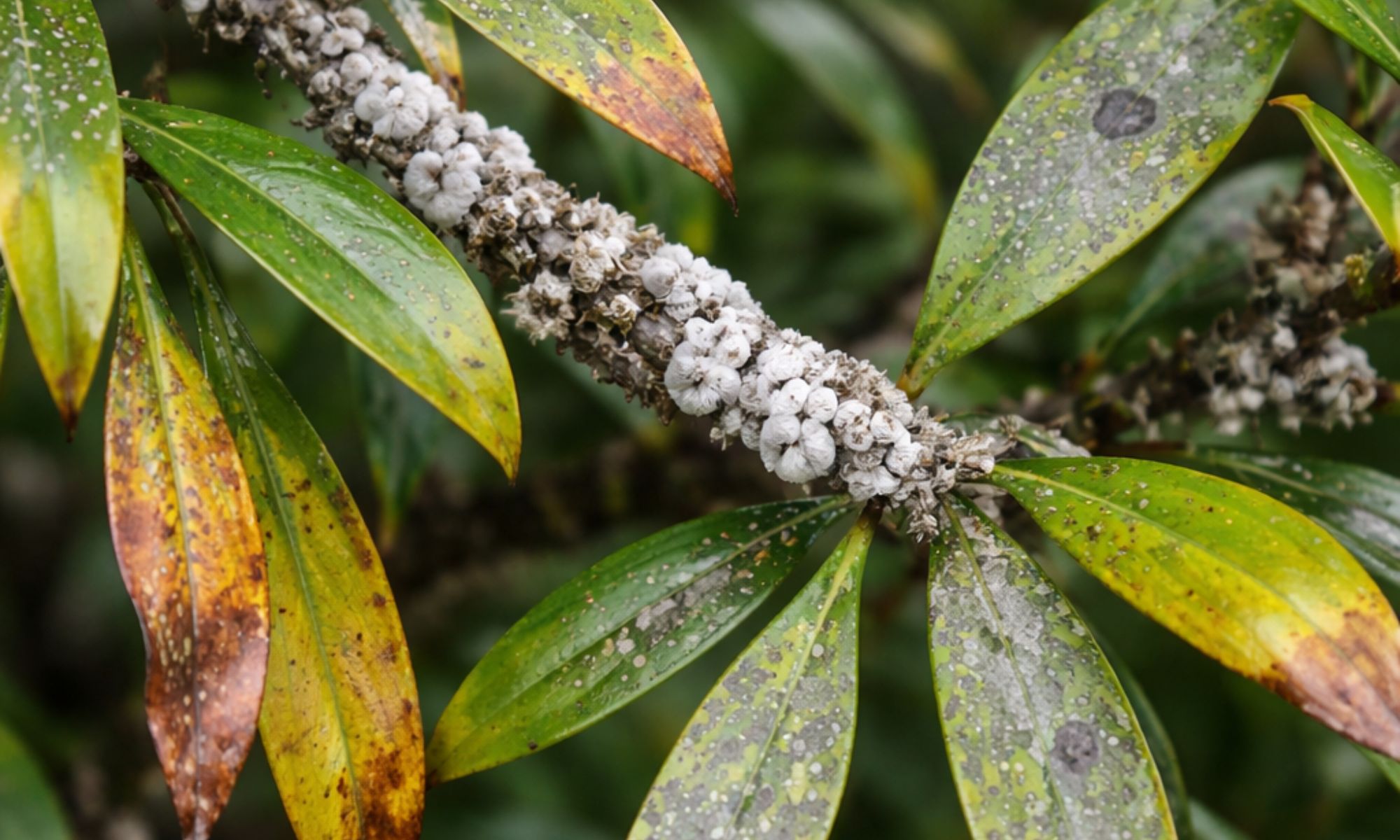
Discovering rotting roots accompanied by white worms can be alarming for any plant owner. This situation often indicates root rot, a condition caused by prolonged moisture, poor drainage, and unhealthy soil. As roots decay, they attract insects that feed on the rotting tissue, resulting in white worms emerging from the soil or roots.
Without timely treatment, root rot can severely weaken the plant and eventually lead to plant death. Fortunately, with proper intervention, many plants can still recover.
How to repair roots affected by rot and worms?
Root rot and worm damage can significantly affect your plant’s health, but with prompt action, you can repair the damage and restore vitality. Here’s a step-by-step guide to reviving affected roots.
Step 1: Kill the insects first
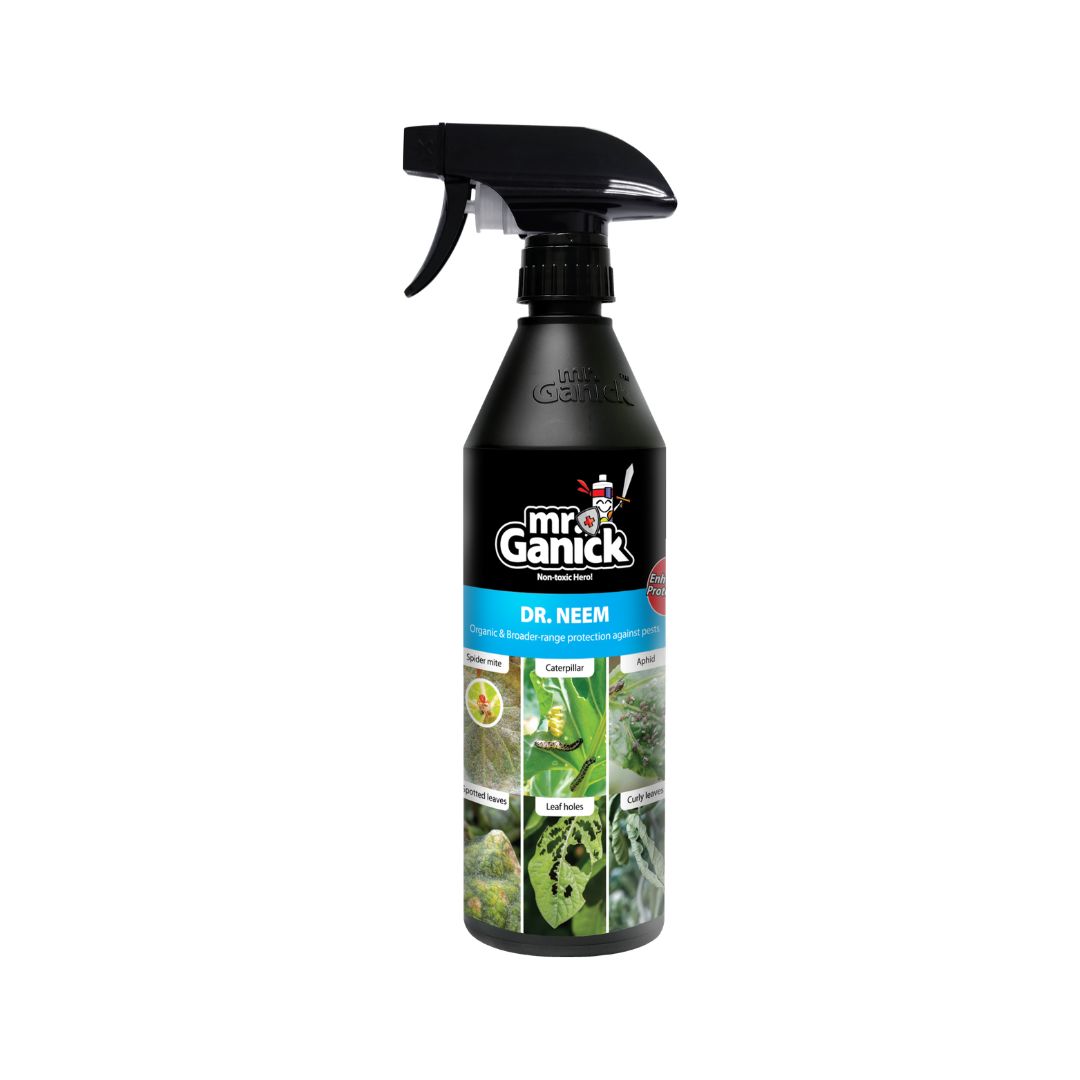
Spray Mr Ganick Dr Neem directly on areas where white worms are present. Neem helps eliminate insects naturally and reduces further damage.
Step 2: Remove and treat rotten roots
Gently remove the plant from its pot or soil. Trim off all:
- Blackened roots
- Soft or mushy roots
- Foul-smelling roots
After trimming, air-dry the wounds for 1–2 weeks until fully dry. This step is crucial to stop further infection.
Step 3: Apply rooting hormone
Once the wounds are dry, apply rooting hormone powder (available online) to the cut areas and remaining healthy roots. This stimulates new root growth and speeds up recovery
Step 4: Replace with well-draining soil
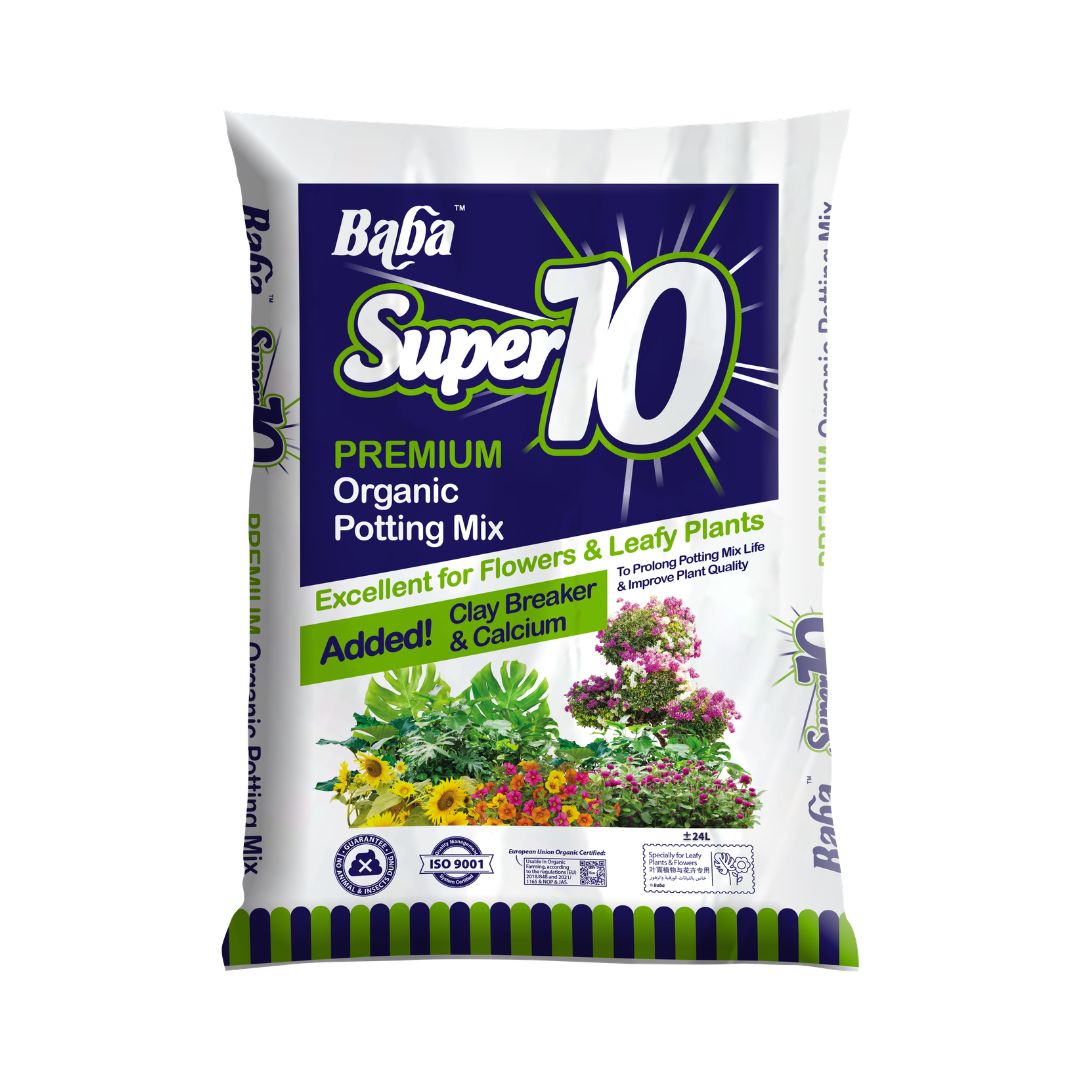
Replant using a well-draining soil mix such as Baba Super 10 Organic Potting Mix, which supports root repair and prevents future waterlogging.
Preventing root diseases after recovery

Once the plant shows signs of recovery, spray Mr Ganick Organic Plant Acid at the root zone once every 1–2 weeks. This helps prevent fungal and bacterial root diseases and keeps the soil environment healthy.
What if the plant is already planted in the ground?
For plants planted directly in the ground:
- Spray or drench the soil with Mr Ganick Dr Neem to kill insects feeding on rotten roots
- Follow up by spraying Mr Ganick Organic Plant Acid to suppress root diseases
- Improve drainage by loosening surrounding soil if possible
What causes root root and white worms?
Root rot occurs when roots are deprived of oxygen due to waterlogged soil. Common causes include:
- Overwatering
- Poor soil drainage
- Compacted or old soil
- Fungal or bacterial root diseases
As roots rot, they emit organic matter that attracts insects, whose larvae appear as white worms. These worms further worsen the condition by feeding on already weakened roots.
Signs your plant has root rot
Early detection improves recovery chances. Look for:
- Soft, blackened, or mushy roots
- Foul smell from soil
- Yellowing or wilting leaves
- White worms crawling from soil or root zone
- Stunted growth
Act now to repair roots affected by rot and worms
Root rot caused by white worms is a serious issue, but early intervention can save your plants. By removing infected roots, managing pests, enhancing soil drainage, and providing proper care, you can help your plants recover and thrive again.
Take action now to restore your plant’s health and ensure strong, healthy roots.
Explore our range of gardening supplier products, including organic pesticide for plants and potting soil, to treat root rot and support plant recovery today!