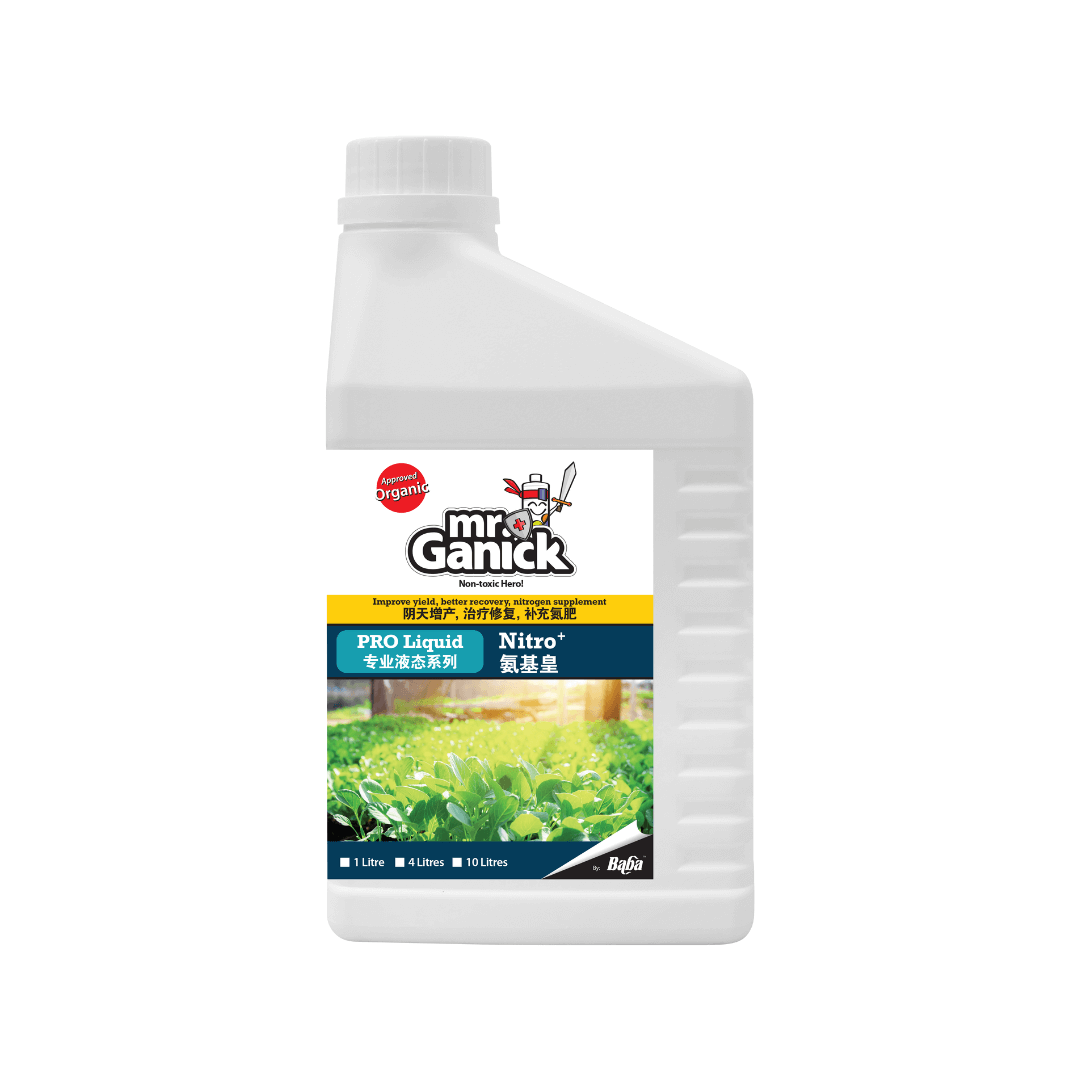
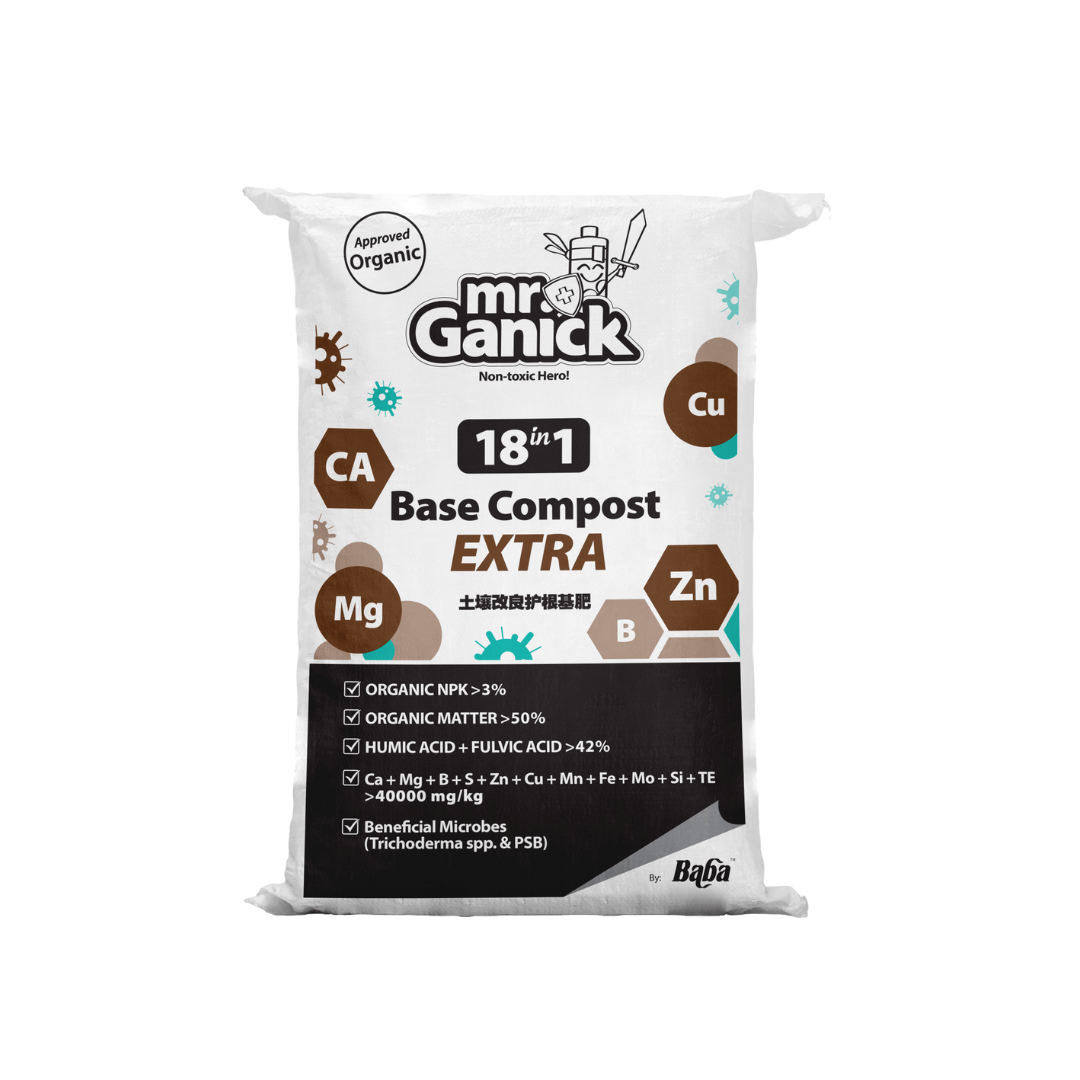
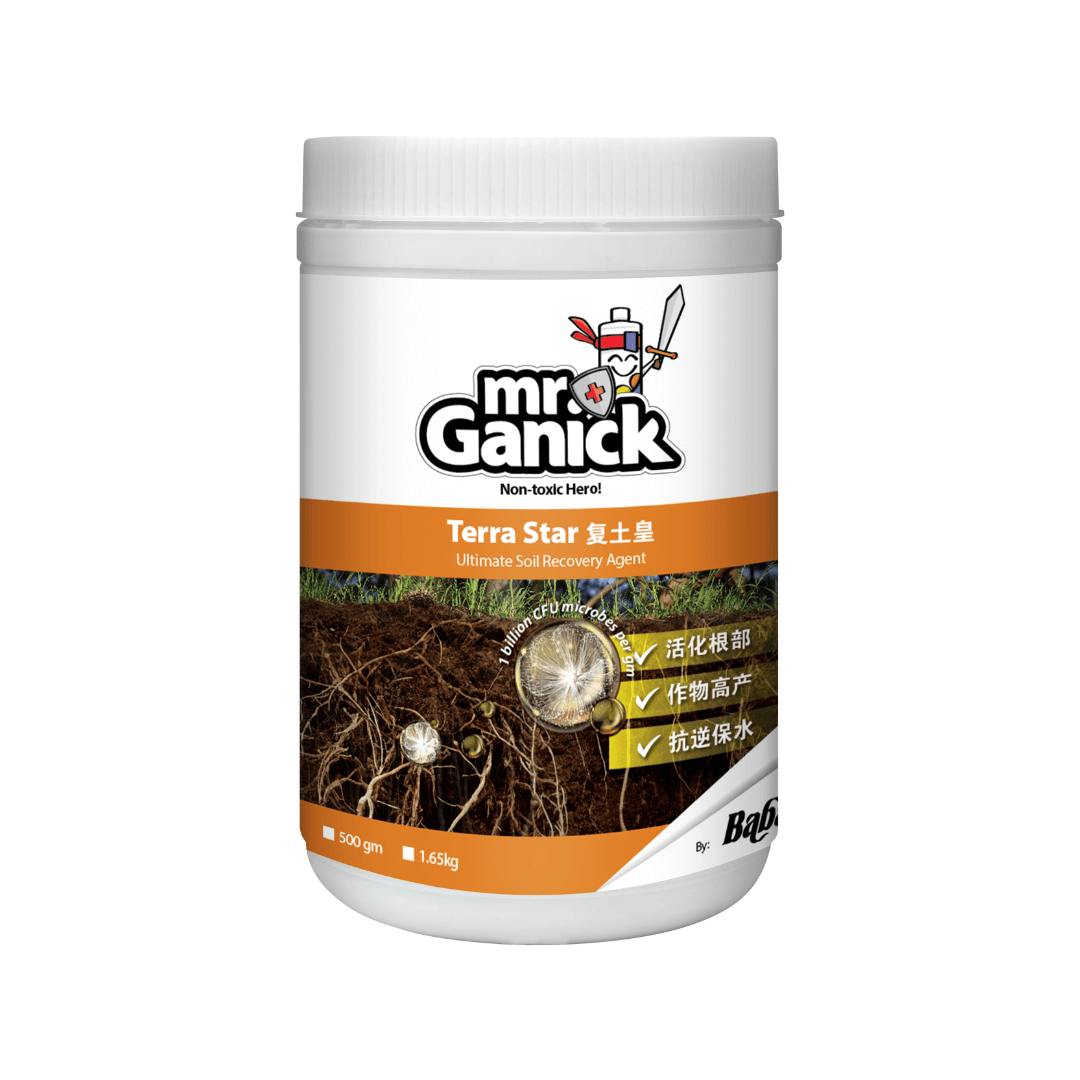
If your plant’s leaves suddenly develop scorched edges or yellow patches, it is often a classic symptom of fertilizer burn. To quickly reverse this damage, the first and most critical step is to apply Mr Ganick Organic Nitro+ to provide the essential amino acids needed for tissue repair.
Fertilizer burn occurs when an excessive amount of synthetic or highly concentrated fertilizer is applied, or when the soil is too dry during fertilization.
This creates a high salt concentration that “pulls” moisture away from the roots and causes cellular collapse in the foliage, leading to that characteristic “burnt” appearance.
Step-by-step rescue plan for fertilizer burn
To alleviate the stress and help your plant recover, you must neutralize the soil salt levels and boost the plant’s internal repair mechanisms.
1. Immediate foliage and root repair
Mix 30ml of Mr Ganick Organic Nitro+ with 20L of water and spray the solution evenly on the leaves and at the base of the plant. This organic formula acts as a bio-stimulant, providing immediate nourishment to bypass the damaged root system and promote the regeneration of healthy new cells.
2. Replenishing soil with balanced organic matter
Once the initial shock is managed, apply Baba 18-in-1 Based Compost Extra. Unlike chemical fertilizers, this compost replenishes soil nutrients gently and improves the soil’s buffering capacity. Adjust the amount based on the age of the tree or plant to ensure it receives stable, slow-release nutrition without adding further chemical stress.
3. Professional soil restoration
If the burn is severe, spray Mr Ganick Terra Star directly onto the soil. This specialized treatment helps to repair the soil microbiome and structure affected by the chemical imbalance, allowing the roots to re-establish themselves in a healthy environment more quickly.


The science behind fertilizer burn and leaf spotting
Fertilizer burn is essentially a physiological drought. Even if the soil is wet, the high concentration of minerals prevents the plant from absorbing water, leading to rapid yellowing and necrosis.
How high salt levels damage plant tissue
When fertilizer concentration in the soil exceeds the plant’s capacity, it causes “osmotic stress.” The salts draw water out of the root cells, causing them to shrivel. This damage is quickly reflected in the leaves as yellow spots and desiccated, brown margins. Without intervention, the plant’s growth will stall, and the affected leaves will eventually fall off.

Best practices for preventing future burn
The key to preventing burnt leaves is consistency. Always water your plants thoroughly before and after applying any fertilizer to ensure the nutrients are well-distributed.
Improving soil moisture management
Never fertilize a plant that is already showing signs of water stress. Maintaining consistent soil moisture ensures that fertilizers are properly diluted and can be safely absorbed by the plant’s delicate root hairs.
Restore healthier leaves after fertilizer burn
Burnt leaves and yellow spots are signs that your plant needs gentler recovery care.
Mr Ganick Organic Nitro+ helps support leaf repair, while Baba 18-in-1 Based Compost Extra improves soil condition for healthier long term growth.
Use Baba’s garden accessories for plant recovery to reduce fertilizer stress and keep new leaves growing greener.