When a chili plant produces buds but fails to generate pollen, it is experiencing a “physiological mismatch.”
The plant has enough energy to initiate the flowering process, but it lacks the specific micro-nutrients and light energy required to complete the development of its reproductive organs.
Without viable pollen, fertilization cannot occur, and the plant will eventually abort the flower to save energy.
3 steps to boost pollen and secure your harvest
To turn those empty buds into spicy chilies, you need to intervene with a mix of environmental adjustment and targeted nutrition.
1. Enrich the soil foundation

To fix mineral imbalances from the ground up, add Baba Based-compost Fertilizer to your soil. Apply approximately 2 handfuls around the base. This compost provides a slow-release source of the complex minerals needed to support the long-term reproductive health of the plant.
2. Apply a foliar “pollen kickstart”
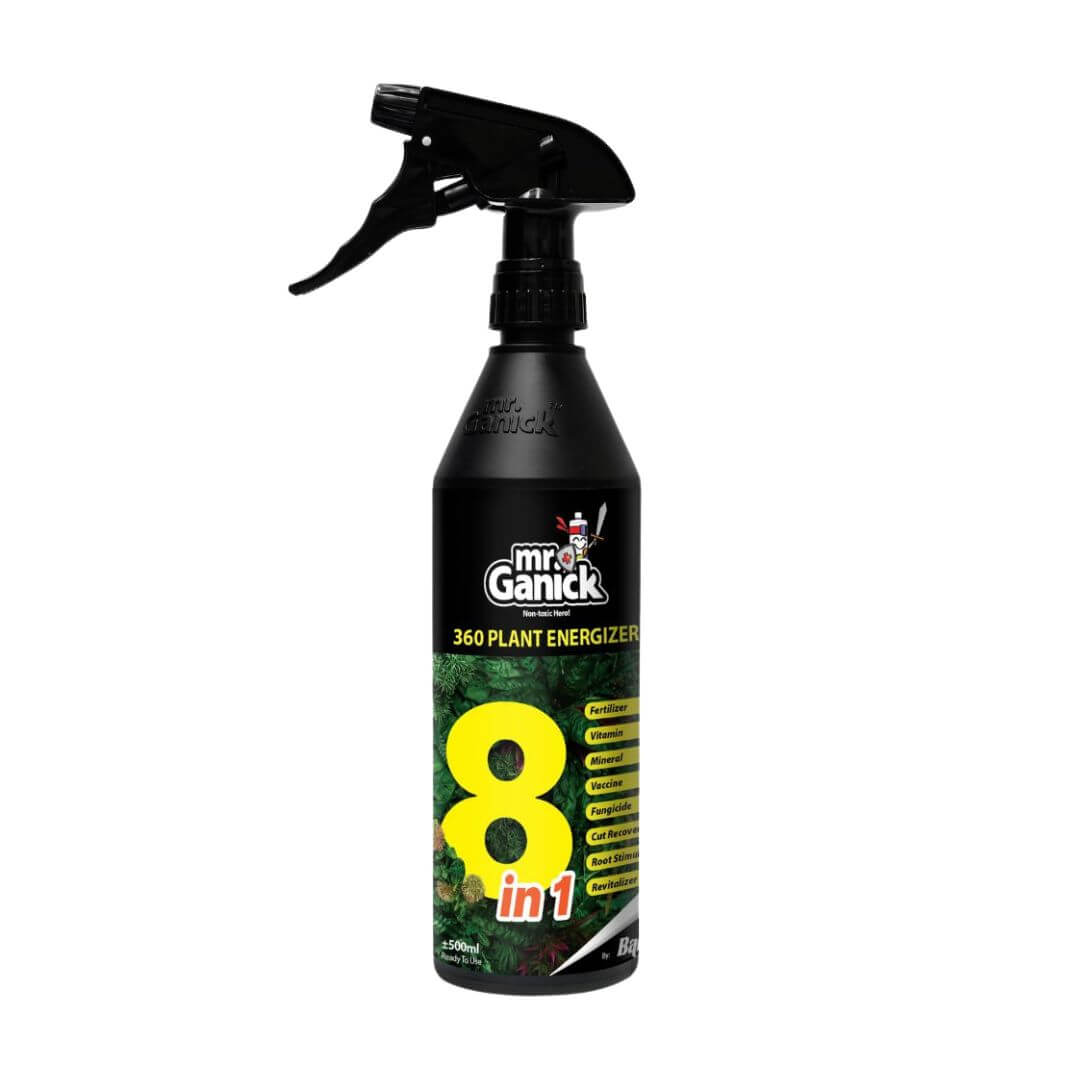
When your plant needs minerals now, foliar spraying is the fastest delivery method. Use Mr Ganick 8 in 1 360 Plant Energizer to supplement minerals directly through the leaves.
Shake well and spray the leaves and stems (avoid the roots) once a week during the daytime. For severe cases where all buds are sterile, increase spraying to every three days. Avoid spraying during high-intensity noon sun to prevent leaf burn.
3. Optimize your light source
Check your plant’s location. If it’s getting less than 5 hours of sun, move it to a brighter spot immediately. For indoor gardeners or those in shaded balconies, consider using supplemental LED grow lights to mimic the full-spectrum power of the sun.
The root causes: mineral deficiencies and light hunger
The development of healthy floral organs is a complex chemical process. Two main factors are usually to blame when pollen is missing:
- Trace mineral deficiency
Essential minerals like Boron and Copper are the “secret ingredients” for pollen viability. Boron, in particular, is responsible for pollen tube growth and sugar transport. If these are missing, the floral organs develop abnormally, leading to sterile flowers.
- Insufficient light energy
Chili plants are sun-worshippers. They require a minimum of 5 hours of direct sunlight daily. Sunlight drives the photosynthesis necessary to create the high-carbohydrate environment that pollen production demands. In low-light conditions, the plant may produce buds as a “last-ditch effort” to reproduce, but it won’t have the fuel to finish the job.
Chili plants with many buds but no pollen are typically experiencing mineral imbalance and insufficient light exposure.
By improving sunlight, enriching soil with compost, and supplementing micronutrients through foliar feeding, pollen production can increase, leading to better fruit set and higher yields.
Boost chili flower fertility for better harvests
Chili plants that produce buds without pollen are usually responding to mineral imbalance and insufficient light energy. Once these conditions improve, the plant can complete its flowering cycle and begin producing fruits.
Strengthen pollen development and support fruit formation with Baba’s organic soil and fertilizer for plants to deliver essential minerals through foliar feeding.