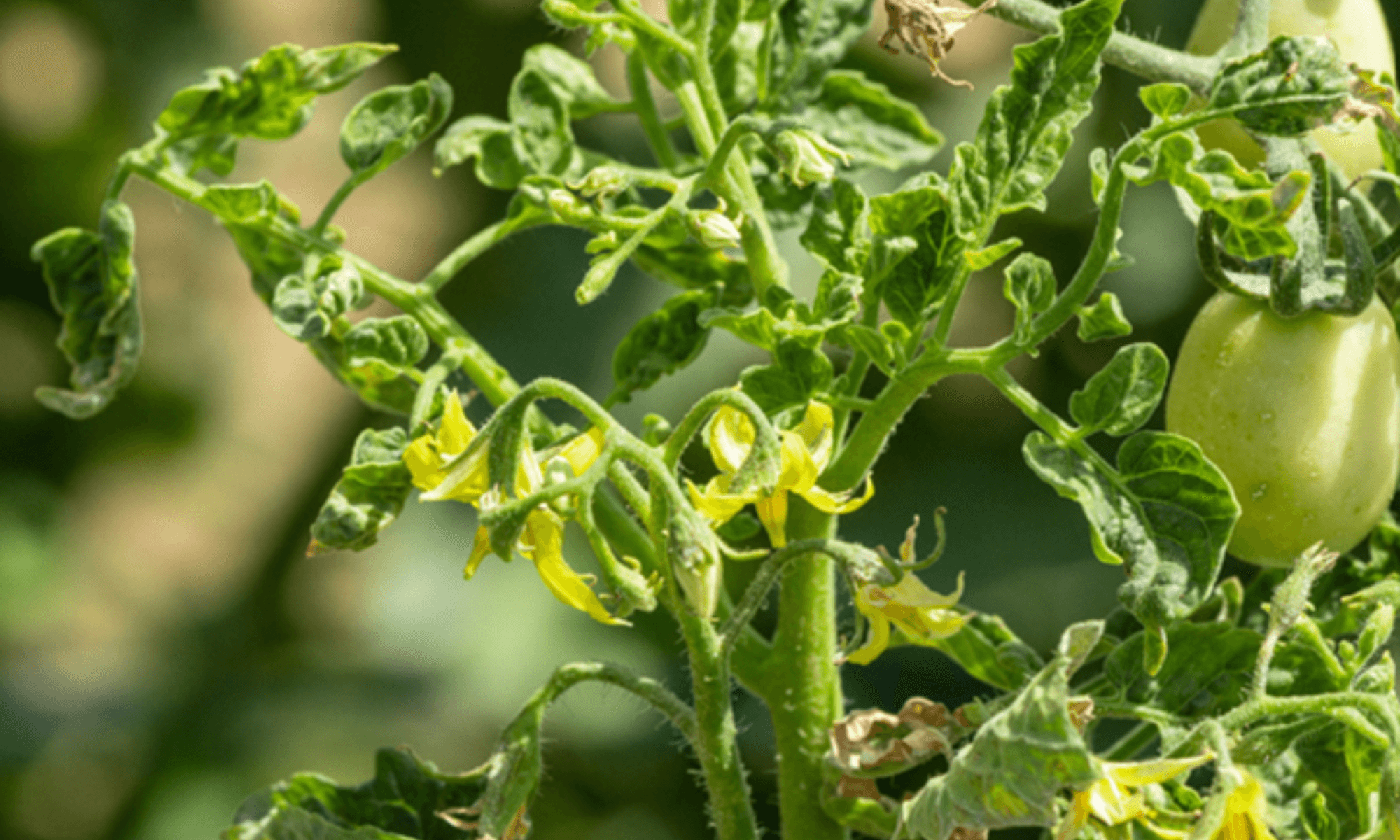
Curled new leaves and excessive leaf drop are commonly caused by over-fertilization, excessive spraying, or sap-sucking pests such as psyllids.

Using Mr Ganick Scale Ex Lite can effectively control psyllids, while adjusting your fertilizer program helps reduce plant stress and encourages healthy new growth.
Identifying the correct cause is important because the treatment differs depending on whether the problem is nutritional or pest-related.
Healthy plants should produce flat, green new leaves. When leaves become curled, distorted, or begin dropping rapidly, the plant is usually under stress.
What causes curled leaves and leaf drop
1. Fertilizer or spray stress
One of the most common causes is excessive fertilizer concentration or overly frequent spraying. When fertilizers or foliar sprays are applied too strongly or too often, plants absorb more nutrients or chemicals than they can handle.
Common symptoms include:
- Curled or twisted new leaves
- Wavy leaf edges
- Premature leaf drop
- Slower new growth
These symptoms are often a stress response rather than a disease.
2. Psyllid infestation
Another possible cause is psyllids, small sap-sucking insects that feed on tender new leaves. Their feeding damages young tissues, causing leaves to curl, deform, and sometimes fall prematurely.
Inspect the undersides of young leaves carefully. Tiny insects, white residue, or sticky honeydew are common signs of psyllid activity.
How to fix curled leaves
If you do not find any pests, the problem is likely related to plant stress.
Reduce the concentration of your fertilizer or pesticide mixture to approximately 60–80% of the original rate. This lowers the risk of fertilizer burn while still supplying nutrients.
If you are currently spraying twice a week, reduce the frequency to once a week and observe how the new leaves develop over the following two to three weeks.
If psyllids are present, spray Mr Ganick Scale Ex Lite thoroughly on both sides of the leaves, especially the young shoots where psyllids prefer to feed. Depending on the infestation level, apply once every one to two weeks until the pest population is under control.
How to prevent the problem
To reduce future leaf curling:
- Follow the recommended fertilizer dosage.
- Avoid unnecessary spraying.
- Monitor young leaves weekly for pests.
- Maintain balanced watering and good plant nutrition.
Healthy plants recover much faster when environmental stress is minimized.
How to know your plant is recovering
You should begin to notice:
- New leaves emerging flat and healthy
- Reduced leaf drop
- Stronger shoot growth
- Fewer psyllids on new growth
Older curled leaves may not return to normal, but healthy new leaves are a clear sign that the plant is recovering.
Curled new leaves and excessive leaf drop are most commonly caused by over-fertilization, excessive spraying, or psyllid infestations. By adjusting your care routine and controlling pests with Mr Ganick Scale Ex Lite, you can restore healthy growth and prevent future damage.