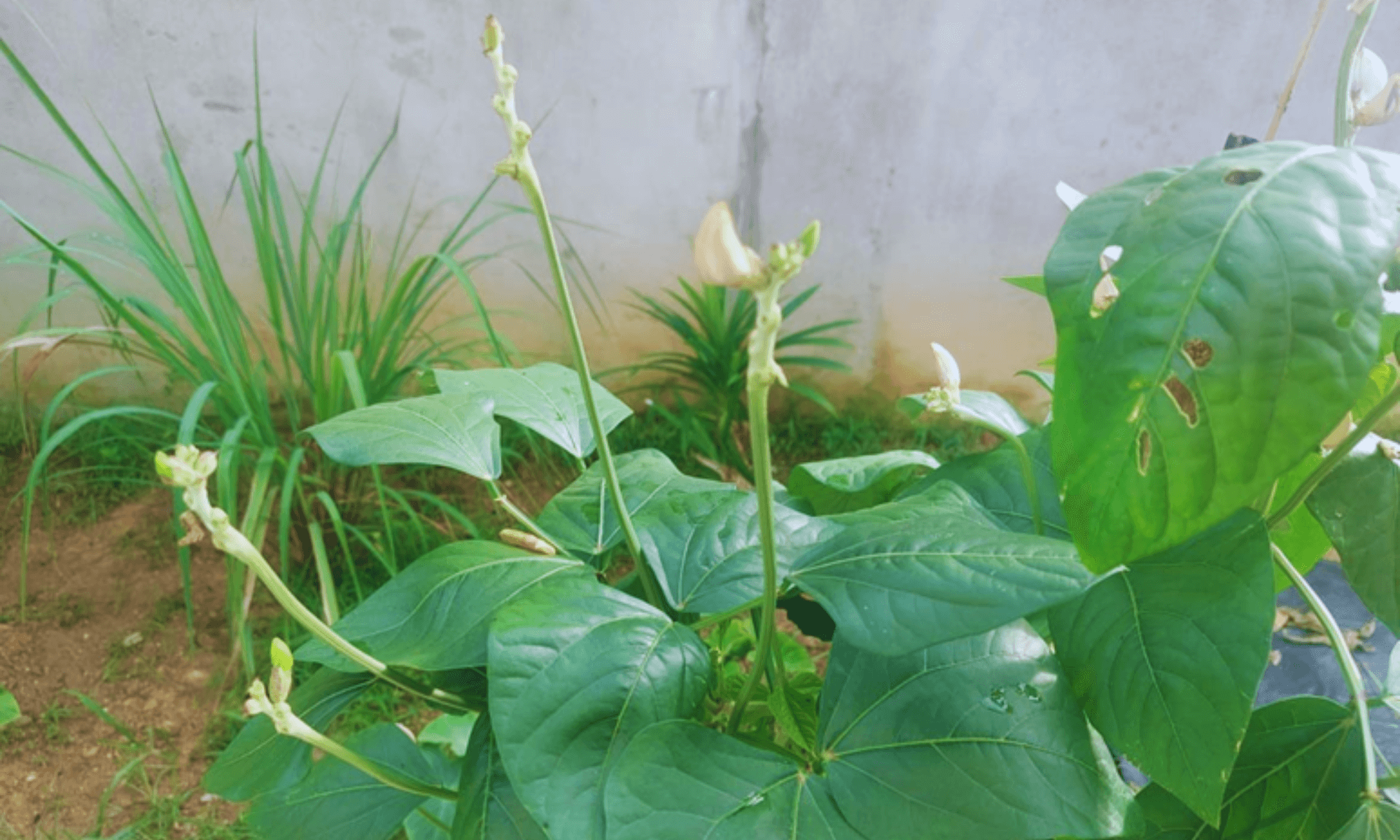
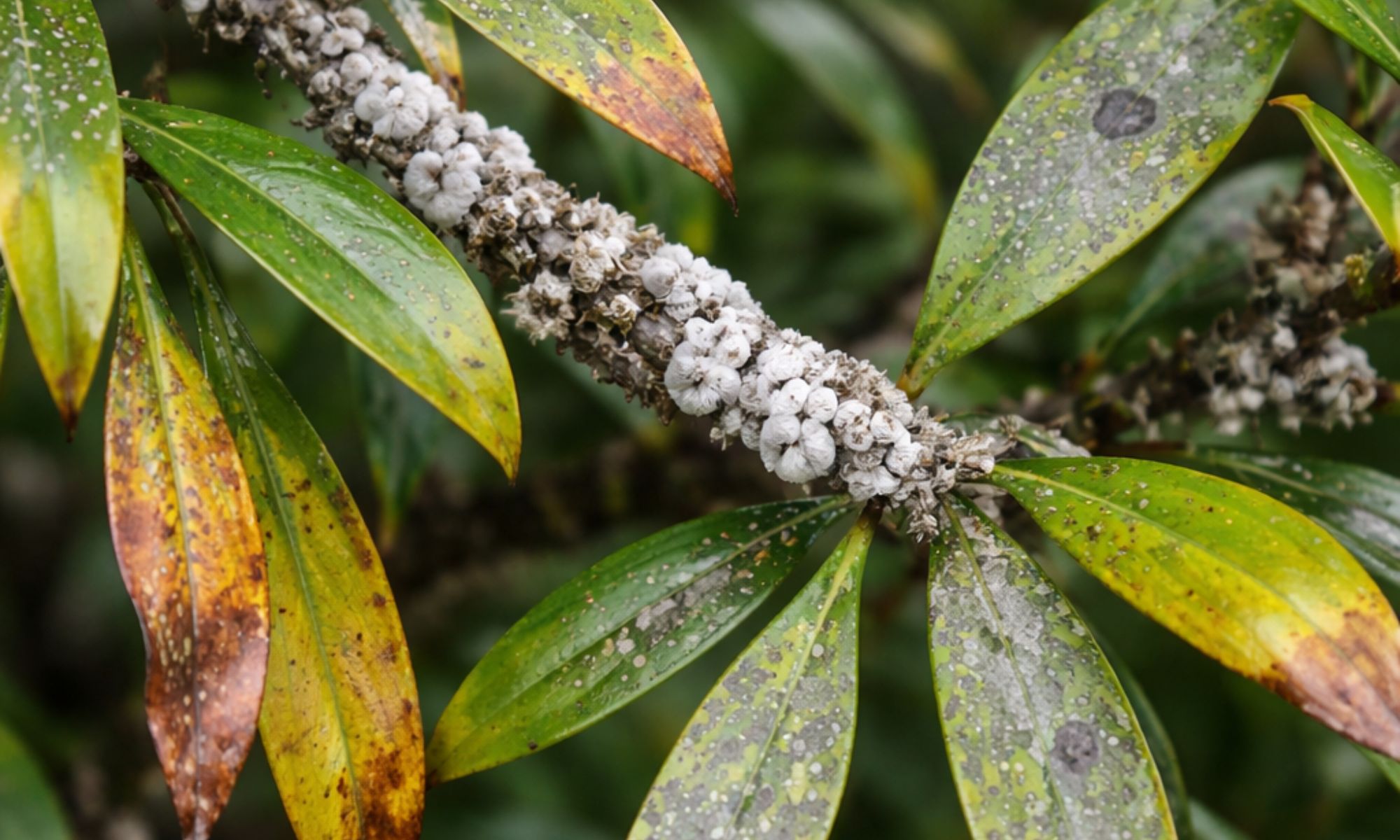
If your watermelon leaves are developing yellow edges that later appear dry or scorched, the issue is often linked to thrips infestation. Thrips are tiny sap-sucking pests that feed on leaf tissues, disrupting chlorophyll production and weakening the plant. As a result, leaves lose their deep green color and begin to show yellowing or burnt-looking margins.
Left untreated, thrips damage can reduce photosynthesis, weaken vine growth, and ultimately affect fruit development and sweetness.
Step-by-Step treatment for thrips and leaf yellowing
1. Control thrips with neem-based spray
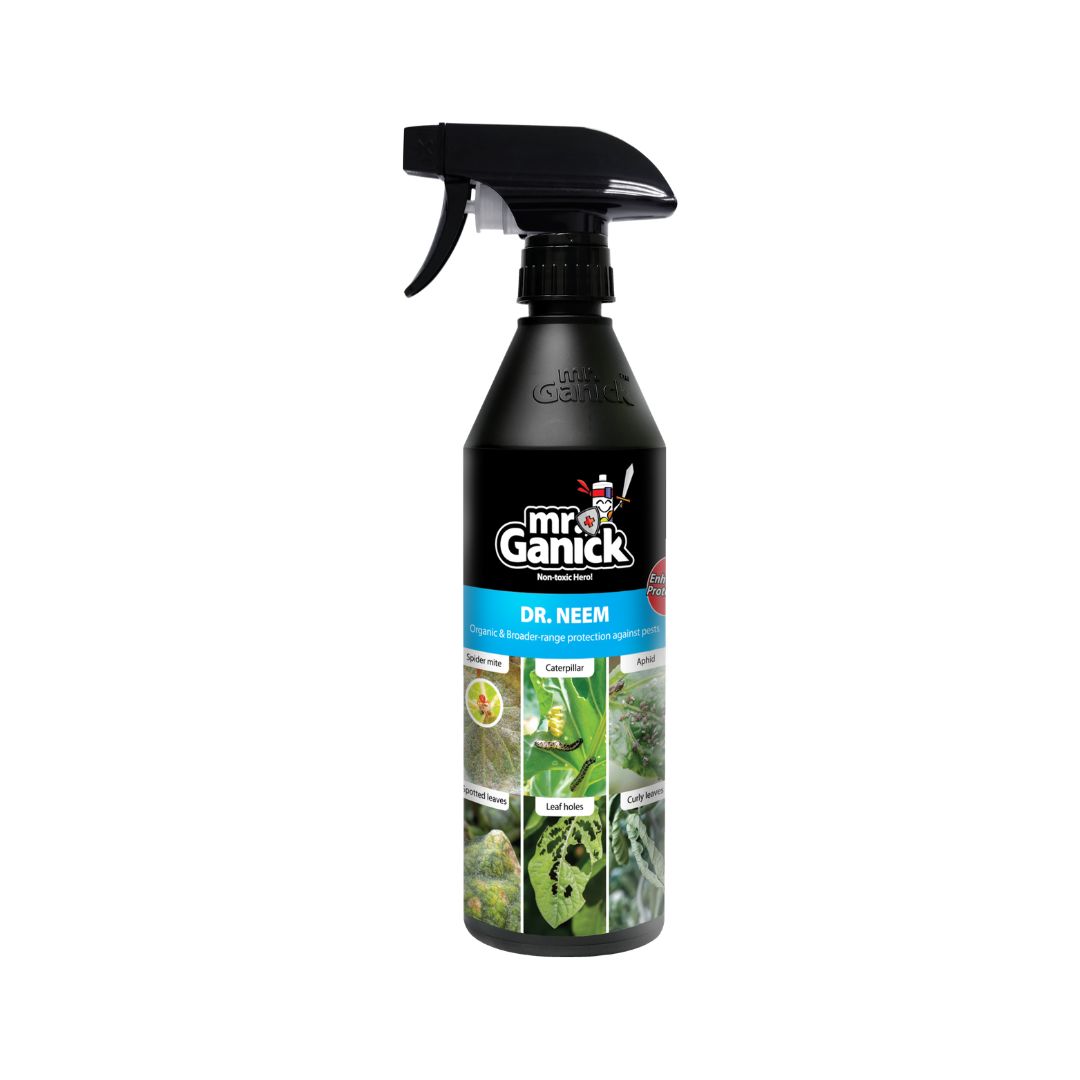
Spray Mr Ganick Dr Neem once a week during the daytime. Neem-based solutions help reduce thrips populations naturally and disrupt their feeding cycle.
For effective control:
- Spray thoroughly on both upper and lower leaf surfaces
- Target young leaves where thrips often hide
- Apply consistently every week
Early and consistent treatment is key to preventing severe damage.
2. Restore leaf greenness with balanced fertilization
After pest control, focus on strengthening the plant. Alternate applications of:
- Mr Ganick 532 Organic Leafy Fertilizer (Week 1)
- Mr Ganick 258 Organic Fruit Tree Fertilizer (Week 2)
This alternating schedule supports:
- Greener, healthier leaves
- Improved photosynthesis
- Stronger fruit development
Healthy leaves are essential for producing sugars that enhance watermelon size and sweetness.


3. Preventive soil preparation

Before planting, mix 30% Baba Compost-based Fertilizer into the soil. This improves nutrient availability, soil structure and aeration, root strength and plant resistance. Well-nourished plants are less vulnerable to pest damage and better able to maintain leaf greenness during fruiting.
How thrips damage watermelon leaves?
Thrips feed by piercing leaf surfaces and extracting plant sap. This feeding process:
- Reduces chlorophyll levels
- Causes silvery streaks or yellow patches
- Leads to scorched or dry leaf edges
- Weakens overall plant vigor
Over time, insufficient greenness limits the plant’s ability to produce energy, which is especially harmful during flowering and fruiting stages.
How to know if the problem is improving?
Signs of recovery include:
- New leaves emerging greener
- Reduced yellowing along leaf edges
- Decreased thrips activity
- Stronger vine growth
Existing damaged leaves may not fully recover, but healthy new growth indicates successful management.
Stop thrips damage and strengthen watermelon plant health
Yellow and scorched watermelon leaf edges often result from thrips feeding damage combined with weakened leaf nutrition. Early pest control and balanced fertilization help plants recover and maintain steady fruit development.
Protect watermelon plants with organic pesticide and restore plant strength using plant food for healthier growth and fruit production.