Have you ever harvested vegetables or fruits that looked perfectly healthy, only to find that they tasted bitter or lacked sweetness? This is a common issue among home gardeners and growers. Fortunately, bitterness in produce is usually not caused by disease, but by environmental and nutritional factors that affect how plants develop flavor.
Understanding these factors allows you to improve taste naturally, without relying on chemicals or additives.
3 Common reasons vegetables and fruits taste bitter
1. Insufficient micronutrients or minerals
The flavor of vegetables and fruits is closely linked to their nutritional content. When soil lacks essential micronutrients or trace minerals, plants are unable to fully develop sugars and flavor compounds. As a result, produce may taste bland or bitter.

To correct this:
- Apply Baba Compost-based Fertilizer to the soil to replenish minerals and improve soil health
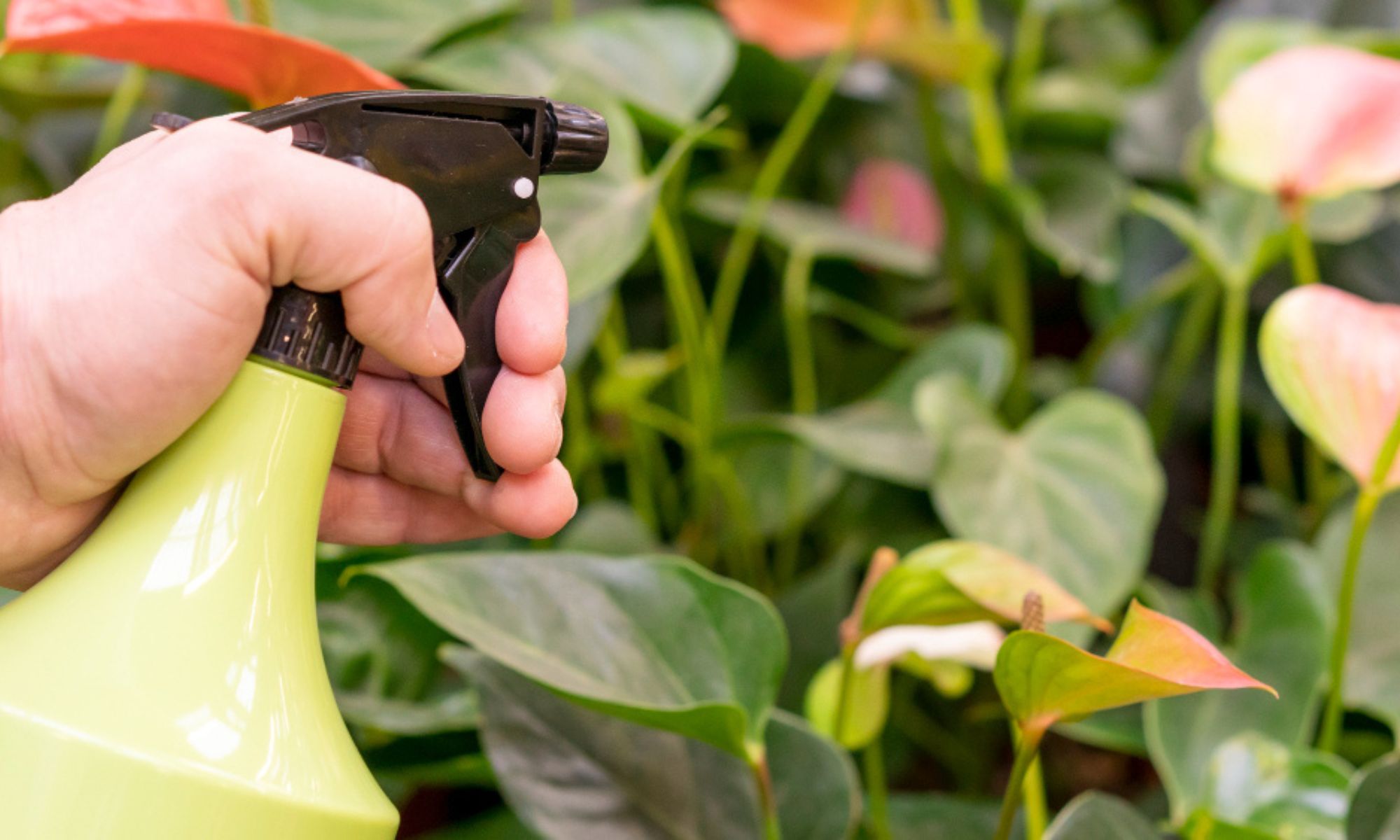
- For quicker results, spray Epsom salt (5g mixed with 2L of water) onto the leaves to supply magnesium, which supports sugar formation
Healthy soil leads directly to better-tasting harvests.
2. Insufficient sunlight
Sunlight is essential for photosynthesis, the process by which plants convert nutrients into sugars. When plants receive insufficient sunlight, sugar production decreases, and bitterness becomes more noticeable.
Common causes include:
- Shaded planting areas
- Overcrowded plants blocking sunlight
- Cloudy or rainy weather over extended periods
Ensuring that vegetables and fruit trees receive adequate daily sunlight helps increase sugar content and enhances overall flavor.
3. Harvesting at the wrong time
The timing of harvest also plays a key role in taste. During the night, plants respire and use stored sugars. When the sun rises, photosynthesis resumes and sugar levels begin to increase.
For better flavor:
- Harvest when the sun comes out, usually in the morning after sunrise
- Avoid harvesting late at night or before dawn, when sugar levels are lower
This simple timing adjustment can significantly improve sweetness and reduce bitterness.
How long does it take to improve flavor?
Flavor improvement does not happen overnight. After correcting soil nutrition and improving sunlight exposure:
- New fruits and vegetables will develop better taste
- Existing bitter produce may not improve significantly
- Consistent care leads to long-term flavor enhancement
Monitoring new growth and future harvests is the best way to judge success.
Grow better-tasting produce with the right soil care
Bitter-tasting vegetables and fruits are usually a result of nutrient imbalance, insufficient sunlight, or improper harvest timing, rather than plant disease. By enriching the soil with compost, ensuring adequate sunlight, and harvesting at the right time, growers can enjoy sweeter, more flavorful produce naturally.Start by strengthening your soil for plants with organic fertilizer and garden accessories today to enjoy healthier plants and consistently better-tasting harvests across every growing cycle.