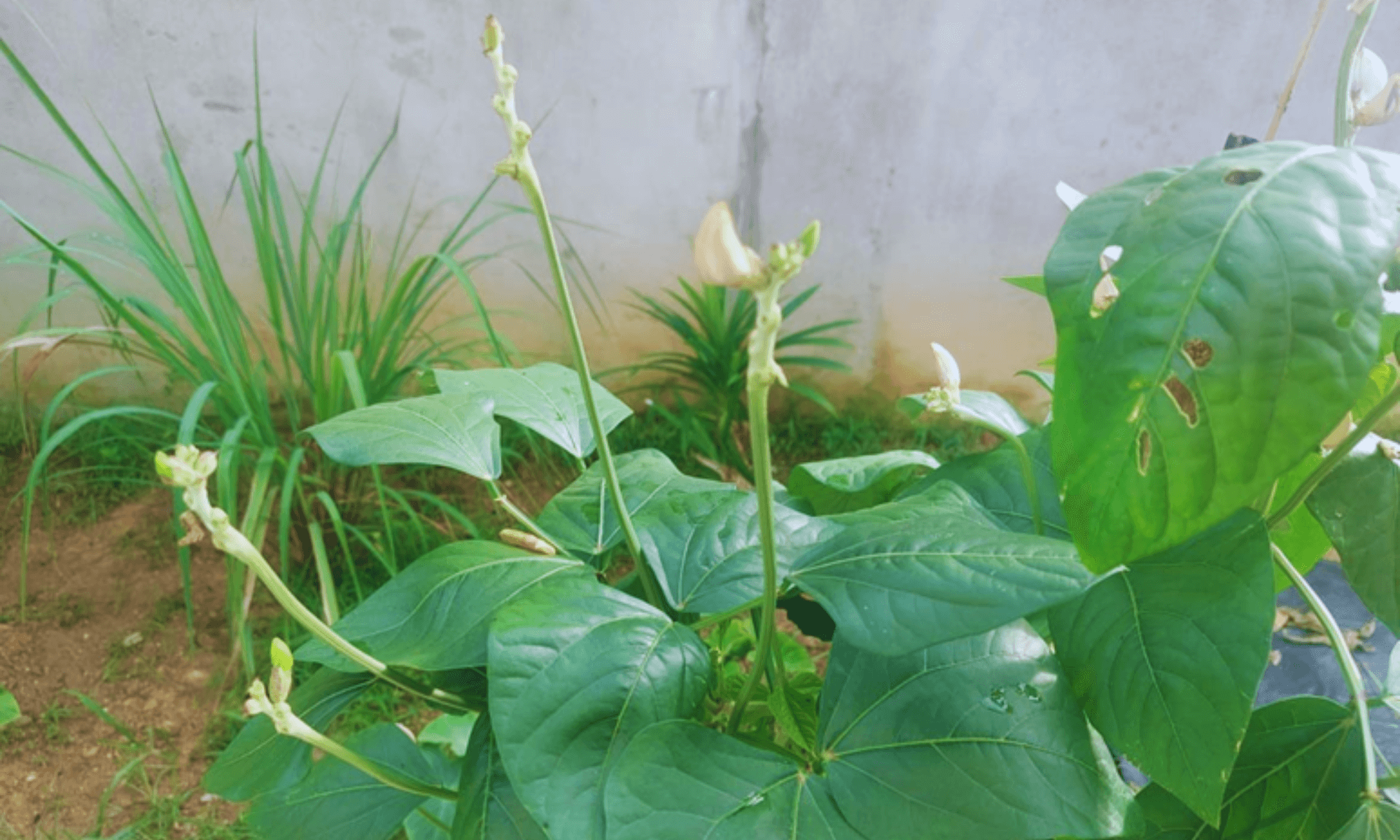
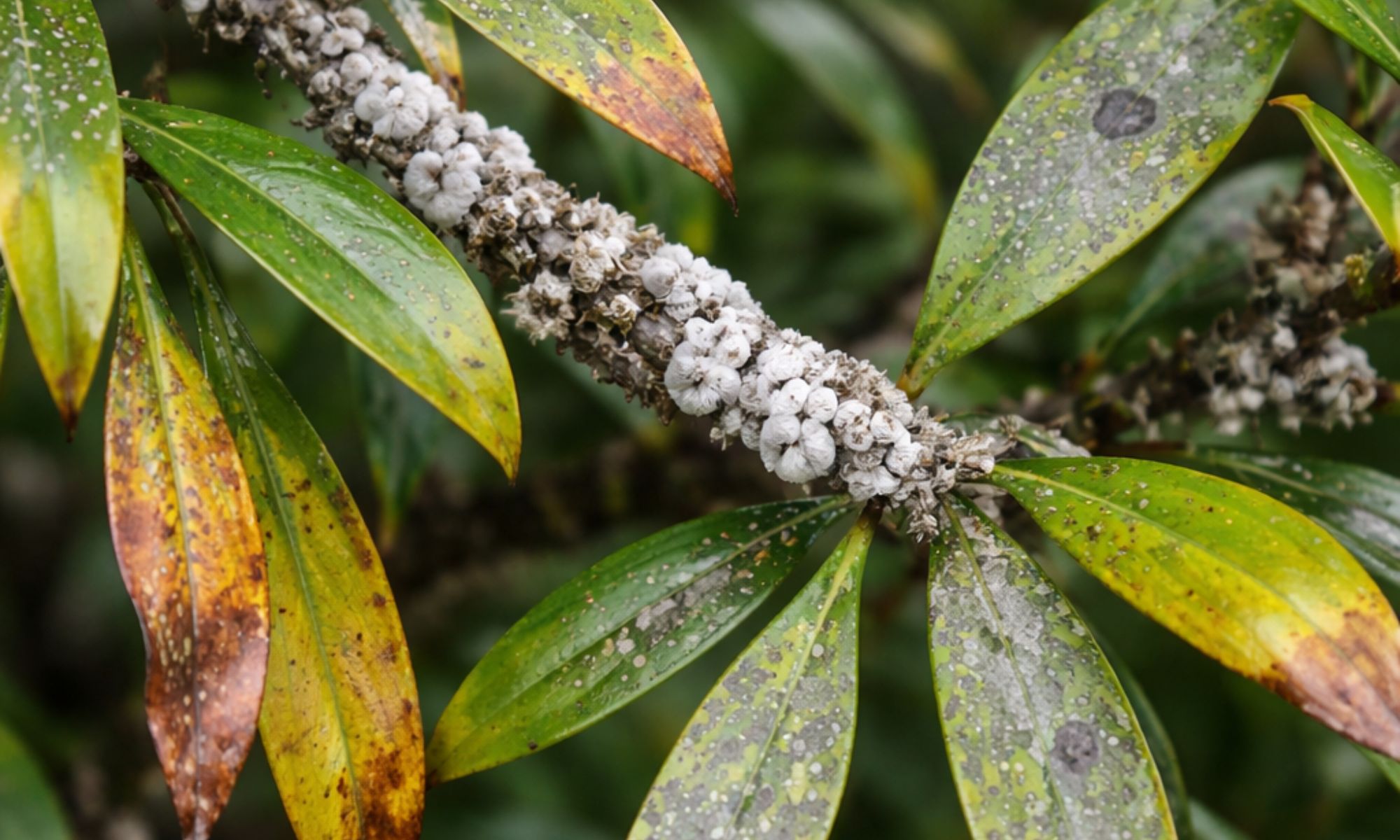
Many gardeners face a frustrating situation when growing cauliflower or cabbage: the plants look lush and leafy, yet no head forms. To ensure your vegetables have the right nutrients from the start, using a balanced formula like Mr Ganick 532 Organic Leafy Fertilizer during the early growth stage is essential for transitioning from foliage to head formation.
This issue is common among beginners and is usually linked to nutrient imbalance, especially a lack of phosphorus. By incorporating Mr Ganick 426 Organic Melon Vegetable Fertilizer as your plants mature, you provide the critical phosphorus needed to trigger heading. Understanding what your plant is missing will help you correct the problem before it is too late.


What does “leafy but no head” growth mean?
Cauliflower and cabbage are heading vegetables. This means that after a certain growth stage, the plant should shift its energy from leaf growth to forming a compact head.
When a plant continues producing leaves but fails to form a head, it is often a sign that:
- Vegetative growth is dominating
- Flower or head initiation is delayed
- Nutrients are not balanced
Even though the leaves appear large and green, the plant may still be nutrient-deficient internally.
The main cause: Phosphorus deficiency (P)
Phosphorus plays a key role in root development, flower and head formation and energy transfer within the plant.
If phosphorus is lacking, plants tend to keep producing leaves but struggle to transition into the flowering or heading stage. This often happens when leafy fertilizer is applied too little in the early stage, or when compost is missing from the soil.
In many cases, the soil lacks long-term nutrient support, causing stunted internal development despite a healthy appearance.
How to correct the problem and encourage head formation?
To resolve this issue, it is important to act quickly and adjust your fertilization plan.
Step 1: Boost Phosphorus supply
Apply Fish Bone Meal, which is naturally high in phosphorus, once a week for 1–2 months. This helps strengthen root systems and signals the plant to prepare for head formation.
Step 2: Support growth with balanced fertilizers
As leaves grow larger and early flowering begins, alternate weekly between Mr Ganick 532 Organic Leafy Fertilizer and Mr Ganick 426 Organic Melon Vegetable Fertilizer.
Continue this rotation until harvest to maintain balanced nutrition.
How to prevent the problem before planting?

Prevention is always easier than correction. Before planting, it is strongly recommended to mix your planting soil with 30% Baba Compost-based Fertilizer. Compost improves soil structure, provides slow-release nutrients, and strengthens plant resistance to diseases and pests.
Healthy soil from the start allows cabbage and cauliflower plants to grow steadily and shift smoothly from leaf growth to head formation.
Fix your cauliflower: get heads growing now!
If your cauliflower or cabbage is growing leaves but not forming heads, don’t let its healthy foliage fool you. This is usually a sign of phosphorus deficiency or unbalanced nutrition. Take action now by correcting nutrient levels and preparing the soil properly.
Ready to get your plants back on track? Start making the right adjustments today with fertilizer for plants and organic soil to ensure strong, compact heads ready for harvest!